White House Shooting Sparks Bipartisan Push to Strengthen Protections for U.S. Officials
Following an armed attack near the White House, lawmakers led by Smith are moving toward joint legislation aimed at expanding protections for federal officials amid rising lone-actor threats.
The story is fundamentally system-driven because it centers on how the United States federal security and legislative framework responds to escalating threats against government officials following a violent incident near the White House.
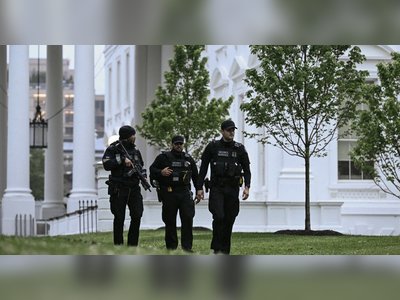
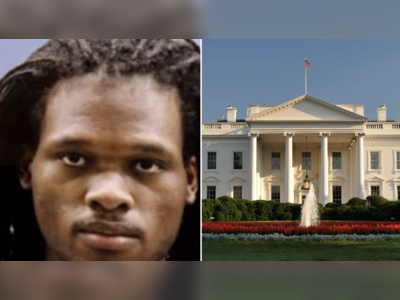
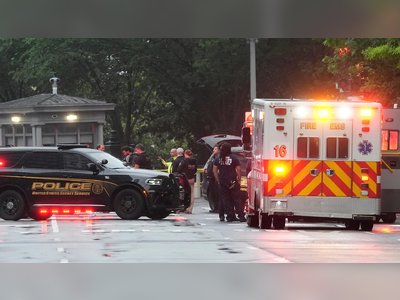
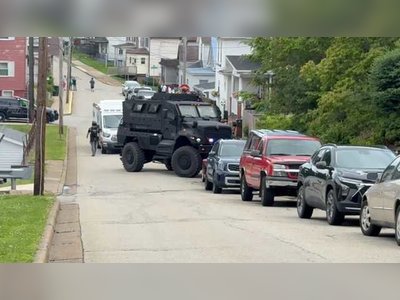
What is confirmed is that a shooting occurred near a White House security checkpoint during Memorial Day weekend, when a gunman opened fire toward Secret Service personnel before being killed in an exchange of gunfire.
A bystander was injured in the incident, and President Donald Trump was inside the White House and was not harmed.
The suspect was identified by authorities as a twenty-one-year-old man who had previously come to the attention of law enforcement.
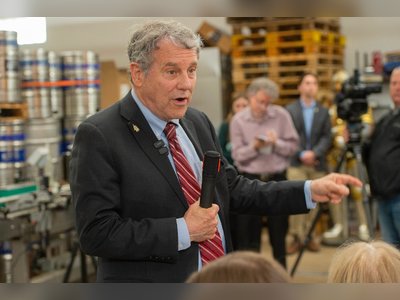
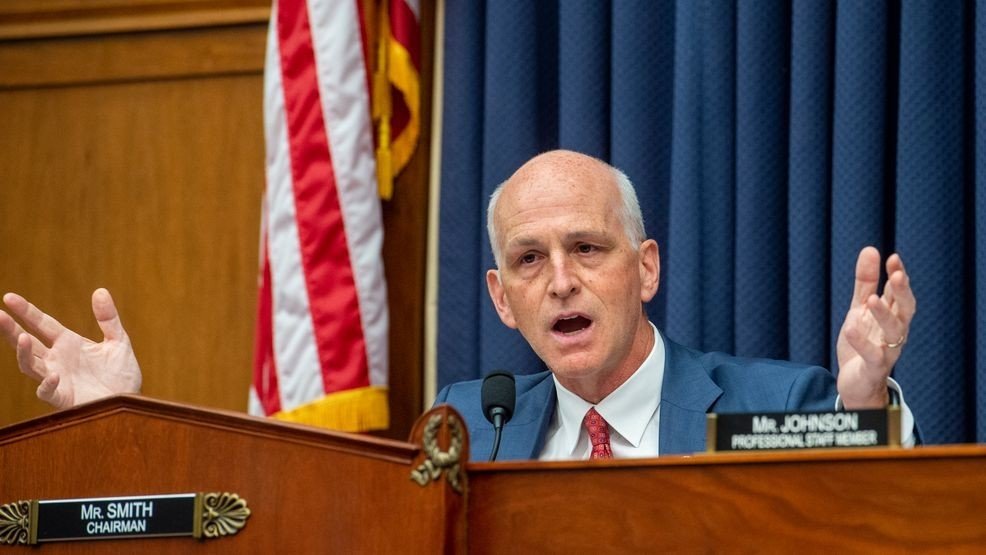
In the aftermath, Representative Adam Smith has signaled a renewed bipartisan effort to address threats against elected officials and federal personnel.
The proposal is framed as a response not only to the White House incident but also to a broader pattern of escalating violence targeting political figures and government institutions across the country.
The core mechanism driving the legislative push is the recognition that current protections are built around a mix of Secret Service protocols, federal criminal statutes, and state-level enforcement mechanisms that were designed for a lower-frequency threat environment.
Lawmakers are now confronting a situation in which lone-actor attacks, online radicalization, and repeated security breaches are placing sustained pressure on those systems.
The White House shooting has become a catalyst because it illustrates a specific vulnerability: rapid escalation by individuals who may already be known to authorities but are not always effectively contained by existing preventive tools.
Officials involved in security planning have long warned that identifying intent before action remains the most difficult problem in modern protective intelligence.
The bipartisan effort being discussed is expected to focus on several overlapping areas.
These include expanding threat assessment coordination between federal agencies, improving information sharing between local and federal law enforcement, strengthening legal tools for early intervention in cases involving credible threats, and increasing funding for protective intelligence units that monitor potential risks to public officials.
A central policy challenge is balancing preventive authority with civil liberties.
Earlier intervention systems can, in theory, reduce the risk of attacks, but they also raise concerns about due process, mental health intervention standards, and the potential for overreach in politically sensitive cases.
The Secret Service operates as the primary protective agency for the president and senior officials, but it relies heavily on external reporting, behavioral monitoring, and interagency coordination.
That structure has come under renewed scrutiny after several high-profile security incidents involving Trump, including a previous assassination attempt at a campaign rally where a gunman fired from a rooftop position.
Taken together, these incidents have intensified political pressure to modernize protective systems that were built for a less fragmented threat environment.
Lawmakers from both parties increasingly acknowledge that the profile of political violence has shifted toward decentralized, unpredictable actors who are harder to detect through traditional intelligence channels.
At the same time, the legislative process remains politically sensitive.
Any expansion of federal authority over threat monitoring is likely to be debated in the context of broader concerns about surveillance, speech, and political targeting.
That tension has historically slowed consensus even after major security incidents.
The White House shooting has therefore become more than an isolated event.
It is now functioning as a legislative trigger point, accelerating discussions that had previously moved slowly through committee structures and interagency review processes.
The expected outcome is not a single sweeping reform but a layered set of adjustments aimed at closing gaps between intelligence detection, law enforcement response, and physical protection of officials.
Those adjustments are being shaped under the immediate pressure of recent violence, with lawmakers signaling that further delay is increasingly difficult to justify given the frequency of attacks and attempted attacks on political figures.
The next phase will determine whether the bipartisan momentum translates into enforceable changes in federal protective policy or becomes another stalled response to a recurring pattern of political violence in the United States.
What is confirmed is that a shooting occurred near a White House security checkpoint during Memorial Day weekend, when a gunman opened fire toward Secret Service personnel before being killed in an exchange of gunfire.
A bystander was injured in the incident, and President Donald Trump was inside the White House and was not harmed.
The suspect was identified by authorities as a twenty-one-year-old man who had previously come to the attention of law enforcement.
In the aftermath, Representative Adam Smith has signaled a renewed bipartisan effort to address threats against elected officials and federal personnel.
The proposal is framed as a response not only to the White House incident but also to a broader pattern of escalating violence targeting political figures and government institutions across the country.
The core mechanism driving the legislative push is the recognition that current protections are built around a mix of Secret Service protocols, federal criminal statutes, and state-level enforcement mechanisms that were designed for a lower-frequency threat environment.
Lawmakers are now confronting a situation in which lone-actor attacks, online radicalization, and repeated security breaches are placing sustained pressure on those systems.
The White House shooting has become a catalyst because it illustrates a specific vulnerability: rapid escalation by individuals who may already be known to authorities but are not always effectively contained by existing preventive tools.
Officials involved in security planning have long warned that identifying intent before action remains the most difficult problem in modern protective intelligence.
The bipartisan effort being discussed is expected to focus on several overlapping areas.
These include expanding threat assessment coordination between federal agencies, improving information sharing between local and federal law enforcement, strengthening legal tools for early intervention in cases involving credible threats, and increasing funding for protective intelligence units that monitor potential risks to public officials.
A central policy challenge is balancing preventive authority with civil liberties.
Earlier intervention systems can, in theory, reduce the risk of attacks, but they also raise concerns about due process, mental health intervention standards, and the potential for overreach in politically sensitive cases.
The Secret Service operates as the primary protective agency for the president and senior officials, but it relies heavily on external reporting, behavioral monitoring, and interagency coordination.
That structure has come under renewed scrutiny after several high-profile security incidents involving Trump, including a previous assassination attempt at a campaign rally where a gunman fired from a rooftop position.
Taken together, these incidents have intensified political pressure to modernize protective systems that were built for a less fragmented threat environment.
Lawmakers from both parties increasingly acknowledge that the profile of political violence has shifted toward decentralized, unpredictable actors who are harder to detect through traditional intelligence channels.
At the same time, the legislative process remains politically sensitive.
Any expansion of federal authority over threat monitoring is likely to be debated in the context of broader concerns about surveillance, speech, and political targeting.
That tension has historically slowed consensus even after major security incidents.
The White House shooting has therefore become more than an isolated event.
It is now functioning as a legislative trigger point, accelerating discussions that had previously moved slowly through committee structures and interagency review processes.
The expected outcome is not a single sweeping reform but a layered set of adjustments aimed at closing gaps between intelligence detection, law enforcement response, and physical protection of officials.
Those adjustments are being shaped under the immediate pressure of recent violence, with lawmakers signaling that further delay is increasingly difficult to justify given the frequency of attacks and attempted attacks on political figures.
The next phase will determine whether the bipartisan momentum translates into enforceable changes in federal protective policy or becomes another stalled response to a recurring pattern of political violence in the United States.
AI Disclaimer: An advanced artificial intelligence (AI) system generated the content of this page on its own. This innovative technology conducts extensive research from a variety of reliable sources, performs rigorous fact-checking and verification, cleans up and balances biased or manipulated content, and presents a minimal factual summary that is just enough yet essential for you to function as an informed and educated citizen. Please keep in mind, however, that this system is an evolving technology, and as a result, the article may contain accidental inaccuracies or errors. We urge you to help us improve our site by reporting any inaccuracies you find using the "Contact Us" link at the bottom of this page. Your helpful feedback helps us improve our system and deliver more precise content. When you find an article of interest here, please look for the full and extensive coverage of this topic in traditional news sources, as they are written by professional journalists that we try to support, not replace. We appreciate your understanding and assistance.