King Charles’ U.S. Visit Tests Whether Royal Diplomacy Can Stabilize the Strained US–UK ‘Special Relationship’
A high-stakes state visit to Washington is being used as a diplomatic instrument amid visible political tensions, security concerns, and disagreements over foreign policy direction
The current phase of the United States–United Kingdom relationship is being actively shaped through ACTOR-DRIVEN diplomacy, with King Charles III undertaking a state visit to Washington designed to reinforce a partnership that both governments publicly describe as foundational but privately acknowledge as under strain.
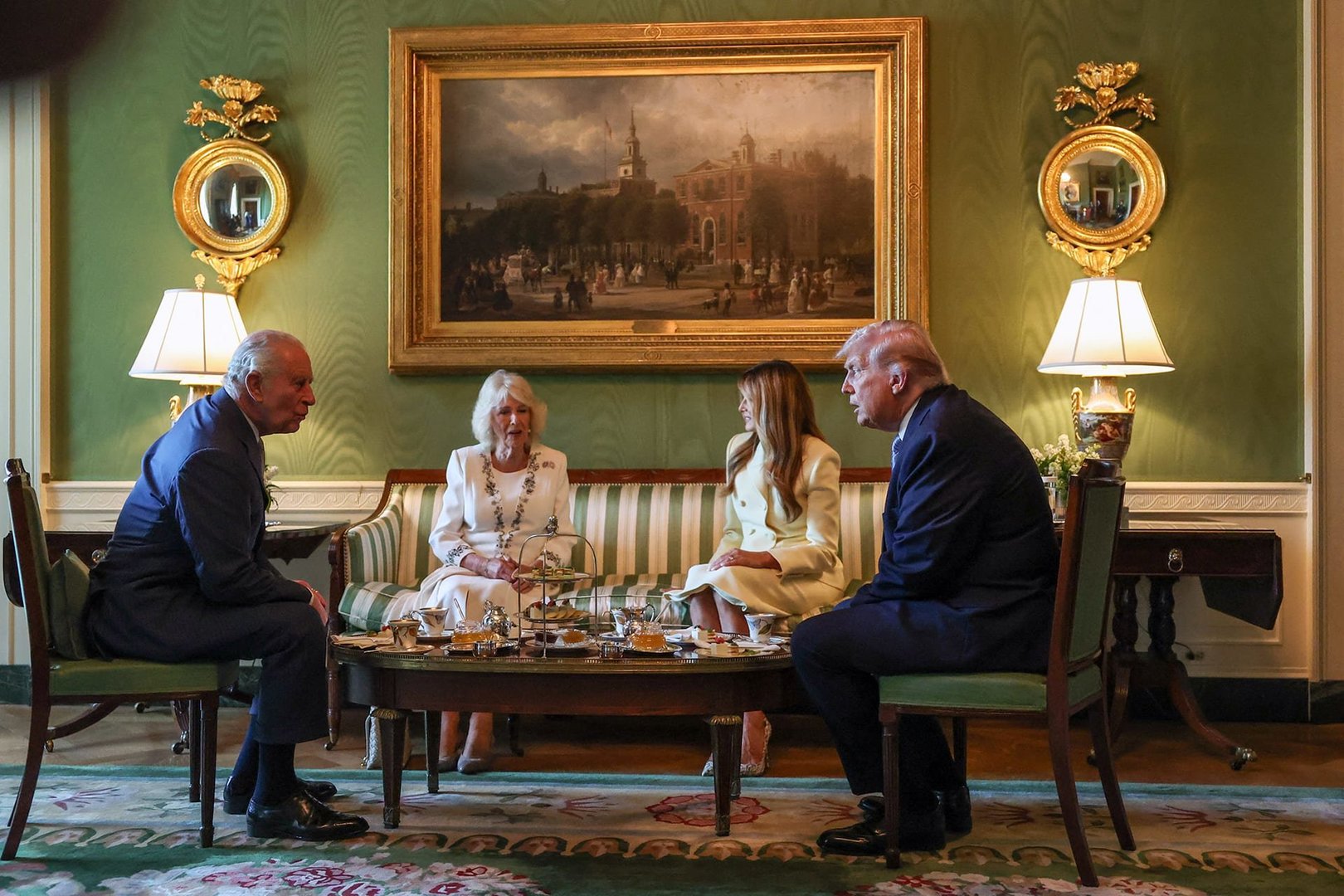
What is confirmed is that King Charles III and Queen Camilla have arrived in the United States for a multi-day state visit centered on Washington, D.C., including meetings with President Donald Trump, congressional engagements, and ceremonial events intended to mark the 250th anniversary of American independence.
The visit is being treated by both governments as a symbolic reaffirmation of the long-standing alliance between the two countries.
The core objective of the visit is political stabilisation through soft power.
British officials view the monarchy as one of the few institutions capable of projecting continuity above partisan divisions, while U.S. officials are using the occasion to emphasize historical alliance narratives despite current policy disagreements.
The King is also expected to address a joint session of Congress, reinforcing the symbolic weight of the visit.
The backdrop to the visit is a period of visible strain in transatlantic relations.
The immediate source of tension is disagreement over recent military and geopolitical developments, particularly in relation to U.S. and allied operations in the Middle East.
These disagreements have exposed differing strategic priorities between Washington and London, even as both governments continue to stress cooperation in defense, intelligence sharing, and NATO commitments.
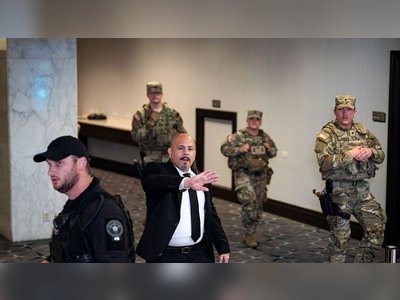
A further destabilizing factor has been political volatility within the United States itself, including heightened security concerns following a shooting incident in Washington shortly before the visit.
That event triggered last-minute reviews of protective arrangements for the royal delegation, underscoring how domestic security conditions are now directly affecting international diplomacy at the highest level.
Despite these pressures, the structural foundations of the US–UK relationship remain intact.
Intelligence cooperation through long-established frameworks, integrated military planning within NATO, and deep economic interdependence continue to anchor the relationship.
These systems operate independently of short-term political disagreements and are unlikely to be altered by a single diplomatic event.
However, the visit highlights a broader shift in how the relationship functions.
The United Kingdom no longer operates from a position of comparable global power, and its influence is increasingly exercised through symbolic diplomacy and coalition alignment rather than independent strategic action.
The United States, meanwhile, is prioritizing global competition with other major powers, particularly in Asia, while expecting allies to absorb a greater share of security responsibilities.
Within this context, the monarchy’s role is not policy-making but relationship management.
The visit is structured around carefully choreographed public appearances, private meetings, and historical symbolism intended to reduce visible friction without altering substantive policy disagreements.
Even ceremonial elements, such as congressional addresses and state dinners, are being used as instruments of diplomatic messaging.
The stakes of the visit are therefore limited in formal terms but significant in perception.
A successful engagement would reinforce continuity and reassure markets and allied governments that transatlantic cooperation remains stable despite political friction.
A poorly received visit would not alter institutional ties but could amplify perceptions of drift between the two countries at a time of global uncertainty.
The outcome will be measured less by immediate policy shifts than by whether both sides maintain a unified public narrative of partnership while managing underlying disagreements in foreign policy, security strategy, and global alignment.
The visit proceeds as a controlled exercise in sustaining that balance under increasingly complex geopolitical conditions.
What is confirmed is that King Charles III and Queen Camilla have arrived in the United States for a multi-day state visit centered on Washington, D.C., including meetings with President Donald Trump, congressional engagements, and ceremonial events intended to mark the 250th anniversary of American independence.
The visit is being treated by both governments as a symbolic reaffirmation of the long-standing alliance between the two countries.
The core objective of the visit is political stabilisation through soft power.
British officials view the monarchy as one of the few institutions capable of projecting continuity above partisan divisions, while U.S. officials are using the occasion to emphasize historical alliance narratives despite current policy disagreements.
The King is also expected to address a joint session of Congress, reinforcing the symbolic weight of the visit.
The backdrop to the visit is a period of visible strain in transatlantic relations.
The immediate source of tension is disagreement over recent military and geopolitical developments, particularly in relation to U.S. and allied operations in the Middle East.
These disagreements have exposed differing strategic priorities between Washington and London, even as both governments continue to stress cooperation in defense, intelligence sharing, and NATO commitments.
A further destabilizing factor has been political volatility within the United States itself, including heightened security concerns following a shooting incident in Washington shortly before the visit.
That event triggered last-minute reviews of protective arrangements for the royal delegation, underscoring how domestic security conditions are now directly affecting international diplomacy at the highest level.
Despite these pressures, the structural foundations of the US–UK relationship remain intact.
Intelligence cooperation through long-established frameworks, integrated military planning within NATO, and deep economic interdependence continue to anchor the relationship.
These systems operate independently of short-term political disagreements and are unlikely to be altered by a single diplomatic event.
However, the visit highlights a broader shift in how the relationship functions.
The United Kingdom no longer operates from a position of comparable global power, and its influence is increasingly exercised through symbolic diplomacy and coalition alignment rather than independent strategic action.
The United States, meanwhile, is prioritizing global competition with other major powers, particularly in Asia, while expecting allies to absorb a greater share of security responsibilities.
Within this context, the monarchy’s role is not policy-making but relationship management.
The visit is structured around carefully choreographed public appearances, private meetings, and historical symbolism intended to reduce visible friction without altering substantive policy disagreements.
Even ceremonial elements, such as congressional addresses and state dinners, are being used as instruments of diplomatic messaging.
The stakes of the visit are therefore limited in formal terms but significant in perception.
A successful engagement would reinforce continuity and reassure markets and allied governments that transatlantic cooperation remains stable despite political friction.
A poorly received visit would not alter institutional ties but could amplify perceptions of drift between the two countries at a time of global uncertainty.
The outcome will be measured less by immediate policy shifts than by whether both sides maintain a unified public narrative of partnership while managing underlying disagreements in foreign policy, security strategy, and global alignment.
The visit proceeds as a controlled exercise in sustaining that balance under increasingly complex geopolitical conditions.
AI Disclaimer: An advanced artificial intelligence (AI) system generated the content of this page on its own. This innovative technology conducts extensive research from a variety of reliable sources, performs rigorous fact-checking and verification, cleans up and balances biased or manipulated content, and presents a minimal factual summary that is just enough yet essential for you to function as an informed and educated citizen. Please keep in mind, however, that this system is an evolving technology, and as a result, the article may contain accidental inaccuracies or errors. We urge you to help us improve our site by reporting any inaccuracies you find using the "Contact Us" link at the bottom of this page. Your helpful feedback helps us improve our system and deliver more precise content. When you find an article of interest here, please look for the full and extensive coverage of this topic in traditional news sources, as they are written by professional journalists that we try to support, not replace. We appreciate your understanding and assistance.