US and Iran Edge Toward War-Ending Framework as Gulf Pressure and Oil Risks Intensify
A Pakistan-mediated proposal has pushed Washington and Tehran closer to a preliminary understanding after months of conflict, maritime disruption, and escalating pressure on global energy markets.
Pakistan-led mediation between the United States and Iran has become the central mechanism driving the most serious attempt yet to halt nearly three months of regional warfare that disrupted Gulf shipping, rattled energy markets, and pushed Washington and Tehran to the edge of a wider military confrontation.
Officials involved in the talks say both sides are now reviewing a draft memorandum of understanding intended to establish a framework for ending active hostilities and opening a structured negotiation process.
What is confirmed is that senior Iranian officials, US representatives, and Pakistani intermediaries have acknowledged progress in negotiations over the past several days.
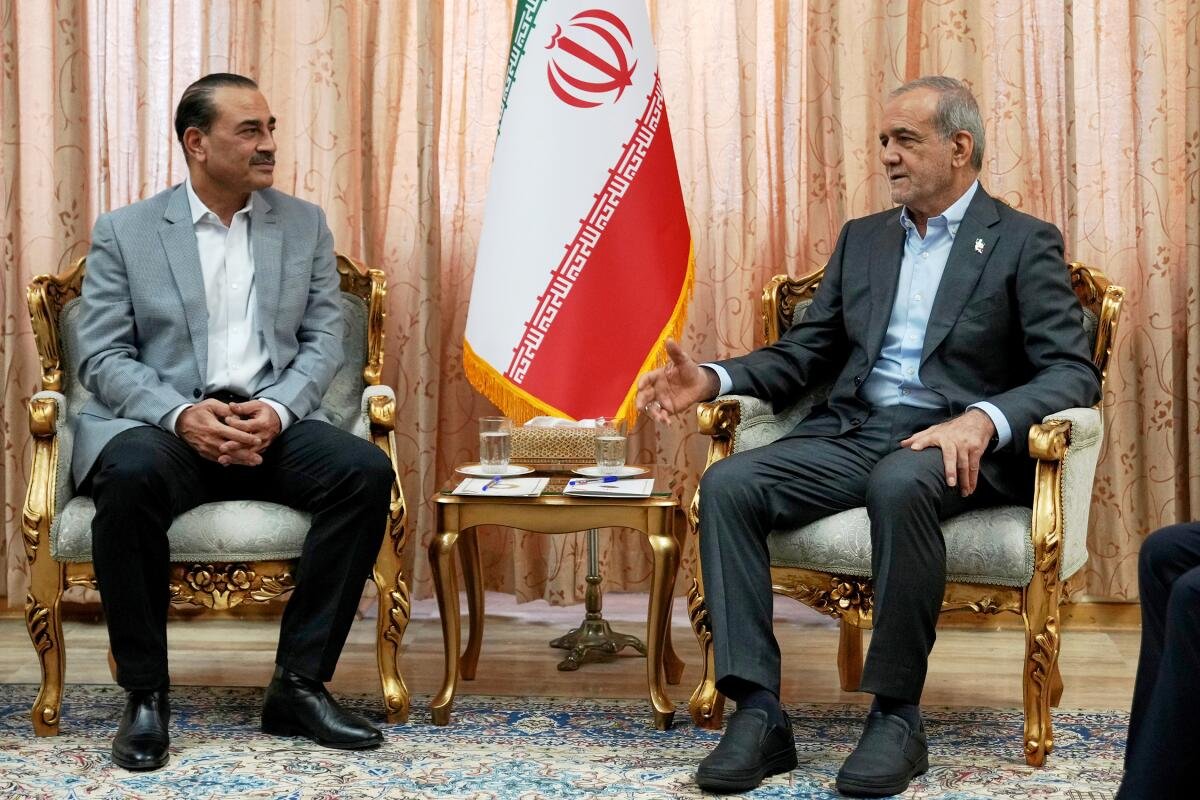
Discussions accelerated after meetings in Tehran involving Pakistan’s army chief, Iranian President Masoud Pezeshkian, Iranian Foreign Minister Abbas Araghchi, and parliamentary speaker Mohammad Baqer Qalibaf.
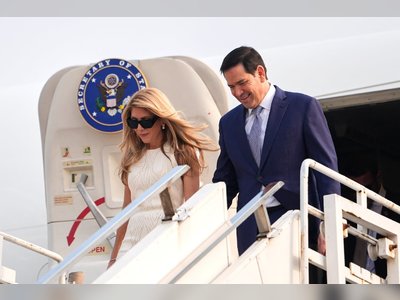
US officials, including Secretary of State Marco Rubio, have publicly stated that progress has been made and suggested an announcement could emerge within days.
The proposed arrangement is not a final peace agreement.
Iranian officials have described it as a “framework agreement” designed to stop fighting first and leave the most technically difficult disputes for later rounds.
The draft reportedly creates a thirty- to sixty-day negotiation window covering sanctions relief, maritime security, and broader regional stabilization measures.
The structure of the negotiations reflects the reality that neither side achieved a decisive outcome militarily.
The conflict began after coordinated US and Israeli strikes on Iranian targets earlier this year, triggering Iranian retaliation across the Gulf region and severe disruption around the Strait of Hormuz, one of the world’s most critical oil transit chokepoints.
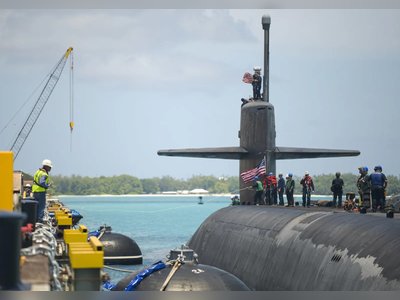
Iran effectively restricted commercial shipping access during parts of the confrontation, while the United States responded with maritime enforcement operations and pressure on Iranian ports.
The Strait of Hormuz became the economic center of the crisis.
Roughly a fifth of globally traded crude oil normally passes through the waterway.
Even partial disruption drove insurance costs sharply higher, forced rerouting of cargo, and injected new volatility into global energy pricing.
Gulf governments, already managing economic diversification programs and large infrastructure spending plans, viewed prolonged instability as a direct threat to regional growth.
That economic pressure explains why regional actors have become heavily involved in de-escalation efforts.
Pakistan emerged as an intermediary acceptable to both Tehran and Washington, while Gulf states quietly backed efforts to prevent another cycle of strikes that could destabilize energy exports, financial markets, and shipping lanes.
Diplomacy accelerated after it became clear that continued escalation carried mounting economic costs without producing a strategic breakthrough.
The current draft reportedly focuses on three immediate objectives: formally ending military operations, stabilizing maritime traffic through Hormuz, and creating a controlled diplomatic process for broader disputes.
The nuclear issue, however, remains largely unresolved and has deliberately been deferred from the immediate ceasefire framework.
That omission is significant.
Washington continues to insist that Iran must never obtain a nuclear weapon and has demanded strict controls over Tehran’s highly enriched uranium stockpiles.
Iran maintains that its nuclear program is civilian in nature and insists that sanctions relief must accompany any broader settlement.
Those positions remain fundamentally incompatible in several areas.
Iranian officials have simultaneously projected openness to diplomacy and readiness for renewed conflict.
Tehran has warned that any resumption of US strikes would trigger a harsher response than earlier phases of the war.
American officials have also maintained military pressure during negotiations, with President Donald Trump publicly warning that failure to reach acceptable terms could lead to renewed attacks.
That dual-track strategy — negotiation combined with continued coercive pressure — reflects deep distrust between the two governments.
Iran argues that previous diplomatic understandings collapsed because Washington abandoned earlier commitments.
US officials argue that Iran used earlier negotiations to preserve strategic leverage while continuing sensitive nuclear activities and expanding regional proxy networks.
The ceasefire effort also intersects with broader regional conflicts.
Iranian officials have linked the talks to fighting involving Hezbollah in Lebanon and wider regional security arrangements.
Gulf states are pushing for a settlement that reduces the risk of multi-front escalation across the Middle East, particularly after months in which commercial shipping, aviation routes, and energy infrastructure faced repeated threats.
Markets are already responding to signs of stabilization.
Oil traders have closely tracked every public statement from Washington, Tehran, and intermediary governments.
Even tentative movement toward reopening secure shipping routes has eased some immediate fears of a sustained supply shock, although traders remain highly sensitive to the possibility of talks collapsing.
The next stage will determine whether the current diplomatic opening becomes a temporary pause or the basis for a broader regional reset.
Officials involved in the negotiations are now focused on finalizing the memorandum and establishing a timetable for direct or indirect follow-on talks.
The immediate consequence is that both Washington and Tehran have shifted, at least temporarily, from battlefield escalation toward structured bargaining under intense international economic pressure.
Officials involved in the talks say both sides are now reviewing a draft memorandum of understanding intended to establish a framework for ending active hostilities and opening a structured negotiation process.
What is confirmed is that senior Iranian officials, US representatives, and Pakistani intermediaries have acknowledged progress in negotiations over the past several days.
Discussions accelerated after meetings in Tehran involving Pakistan’s army chief, Iranian President Masoud Pezeshkian, Iranian Foreign Minister Abbas Araghchi, and parliamentary speaker Mohammad Baqer Qalibaf.
US officials, including Secretary of State Marco Rubio, have publicly stated that progress has been made and suggested an announcement could emerge within days.
The proposed arrangement is not a final peace agreement.
Iranian officials have described it as a “framework agreement” designed to stop fighting first and leave the most technically difficult disputes for later rounds.
The draft reportedly creates a thirty- to sixty-day negotiation window covering sanctions relief, maritime security, and broader regional stabilization measures.
The structure of the negotiations reflects the reality that neither side achieved a decisive outcome militarily.
The conflict began after coordinated US and Israeli strikes on Iranian targets earlier this year, triggering Iranian retaliation across the Gulf region and severe disruption around the Strait of Hormuz, one of the world’s most critical oil transit chokepoints.
Iran effectively restricted commercial shipping access during parts of the confrontation, while the United States responded with maritime enforcement operations and pressure on Iranian ports.
The Strait of Hormuz became the economic center of the crisis.
Roughly a fifth of globally traded crude oil normally passes through the waterway.
Even partial disruption drove insurance costs sharply higher, forced rerouting of cargo, and injected new volatility into global energy pricing.
Gulf governments, already managing economic diversification programs and large infrastructure spending plans, viewed prolonged instability as a direct threat to regional growth.
That economic pressure explains why regional actors have become heavily involved in de-escalation efforts.
Pakistan emerged as an intermediary acceptable to both Tehran and Washington, while Gulf states quietly backed efforts to prevent another cycle of strikes that could destabilize energy exports, financial markets, and shipping lanes.
Diplomacy accelerated after it became clear that continued escalation carried mounting economic costs without producing a strategic breakthrough.
The current draft reportedly focuses on three immediate objectives: formally ending military operations, stabilizing maritime traffic through Hormuz, and creating a controlled diplomatic process for broader disputes.
The nuclear issue, however, remains largely unresolved and has deliberately been deferred from the immediate ceasefire framework.
That omission is significant.
Washington continues to insist that Iran must never obtain a nuclear weapon and has demanded strict controls over Tehran’s highly enriched uranium stockpiles.
Iran maintains that its nuclear program is civilian in nature and insists that sanctions relief must accompany any broader settlement.
Those positions remain fundamentally incompatible in several areas.
Iranian officials have simultaneously projected openness to diplomacy and readiness for renewed conflict.
Tehran has warned that any resumption of US strikes would trigger a harsher response than earlier phases of the war.
American officials have also maintained military pressure during negotiations, with President Donald Trump publicly warning that failure to reach acceptable terms could lead to renewed attacks.
That dual-track strategy — negotiation combined with continued coercive pressure — reflects deep distrust between the two governments.
Iran argues that previous diplomatic understandings collapsed because Washington abandoned earlier commitments.
US officials argue that Iran used earlier negotiations to preserve strategic leverage while continuing sensitive nuclear activities and expanding regional proxy networks.
The ceasefire effort also intersects with broader regional conflicts.
Iranian officials have linked the talks to fighting involving Hezbollah in Lebanon and wider regional security arrangements.
Gulf states are pushing for a settlement that reduces the risk of multi-front escalation across the Middle East, particularly after months in which commercial shipping, aviation routes, and energy infrastructure faced repeated threats.
Markets are already responding to signs of stabilization.
Oil traders have closely tracked every public statement from Washington, Tehran, and intermediary governments.
Even tentative movement toward reopening secure shipping routes has eased some immediate fears of a sustained supply shock, although traders remain highly sensitive to the possibility of talks collapsing.
The next stage will determine whether the current diplomatic opening becomes a temporary pause or the basis for a broader regional reset.
Officials involved in the negotiations are now focused on finalizing the memorandum and establishing a timetable for direct or indirect follow-on talks.
The immediate consequence is that both Washington and Tehran have shifted, at least temporarily, from battlefield escalation toward structured bargaining under intense international economic pressure.
AI Disclaimer: An advanced artificial intelligence (AI) system generated the content of this page on its own. This innovative technology conducts extensive research from a variety of reliable sources, performs rigorous fact-checking and verification, cleans up and balances biased or manipulated content, and presents a minimal factual summary that is just enough yet essential for you to function as an informed and educated citizen. Please keep in mind, however, that this system is an evolving technology, and as a result, the article may contain accidental inaccuracies or errors. We urge you to help us improve our site by reporting any inaccuracies you find using the "Contact Us" link at the bottom of this page. Your helpful feedback helps us improve our system and deliver more precise content. When you find an article of interest here, please look for the full and extensive coverage of this topic in traditional news sources, as they are written by professional journalists that we try to support, not replace. We appreciate your understanding and assistance.