U.S.–Iran Tensions Escalate as Renewed Attacks Strain Fragile Regional Ceasefire
Exchange of threats follows strikes on regional targets, raising risk of wider conflict despite efforts to preserve uneasy calm
The United States and Iran are engaged in a renewed cycle of confrontation driven by a series of attacks across the Middle East that are testing a fragile and informal ceasefire framework designed to prevent direct escalation between the two adversaries.
What is confirmed is that recent strikes targeting U.S.-linked assets and regional infrastructure have triggered sharp rhetorical exchanges between Washington and Tehran.
U.S. officials have attributed some of the attacks to Iran-backed militia groups operating in Iraq and Syria, while Iran has rejected direct responsibility and warned against retaliation.
The result is a familiar but dangerous pattern: indirect confrontation through proxies combined with increasingly explicit public threats.
The underlying mechanism is a shadow conflict that relies on deterrence rather than formal agreements.
Over the past year, the U.S. and Iran have maintained a de facto understanding aimed at limiting escalation.
This arrangement has involved reduced direct attacks on U.S. forces, constrained militia activity, and calibrated responses from Washington.
The current surge in incidents suggests that this balance is under strain.
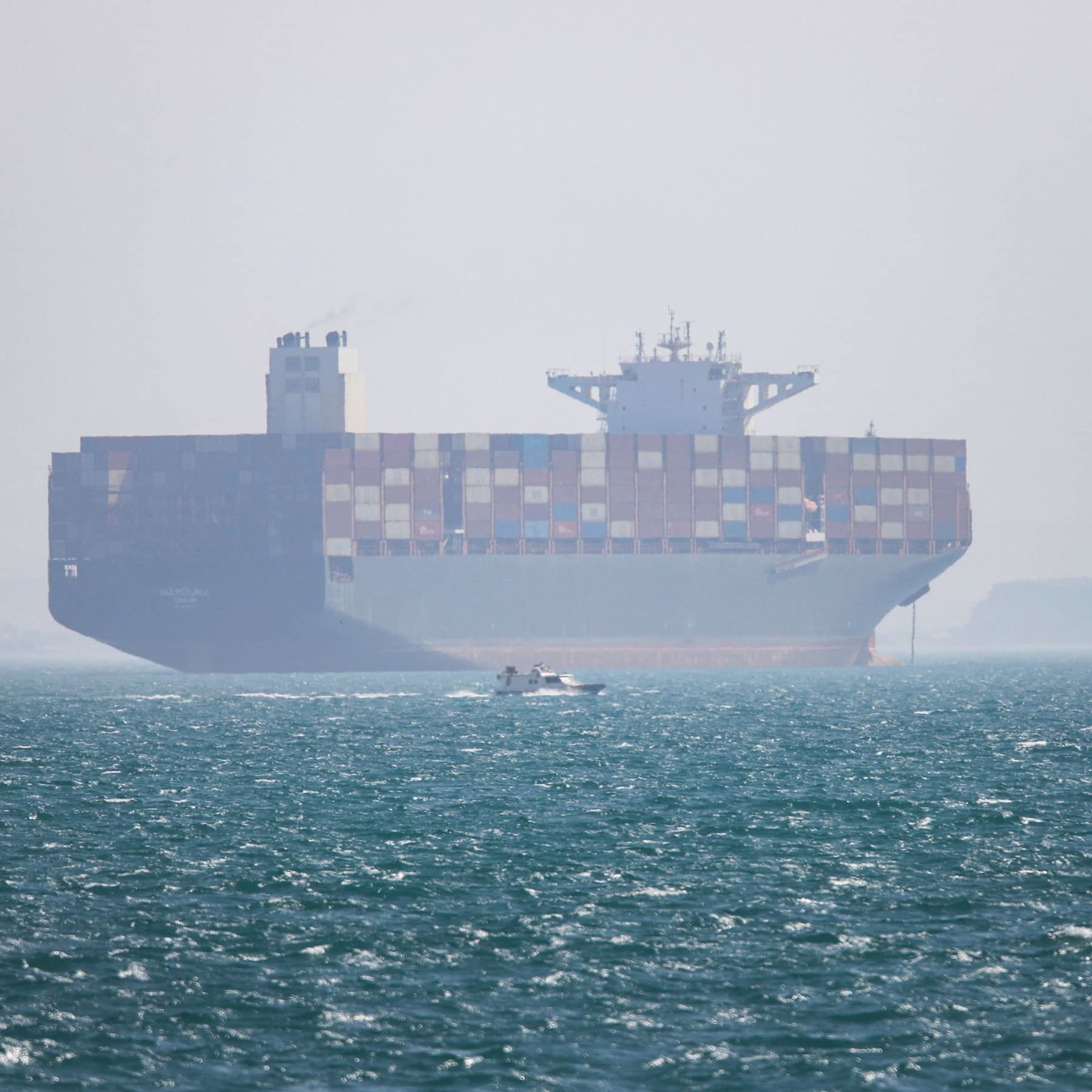
Recent attacks have targeted logistics hubs, military positions, and shipping routes, reflecting the geographic spread of the confrontation.
In response, U.S. forces have conducted limited retaliatory strikes against militia infrastructure.
These responses are designed to signal resolve without triggering a broader war, but they also risk prompting further retaliation from groups aligned with Iran.
Iran’s position remains strategically ambiguous.
It maintains that regional militias act independently, while continuing to support them politically and materially.
This dual posture allows Tehran to exert pressure on U.S. interests while preserving deniability, complicating Washington’s ability to calibrate its response.
The stakes are immediate and structural.
Any breakdown of the current restraint could disrupt critical shipping lanes, threaten energy infrastructure, and destabilize already fragile states in the region.
It also intersects with wider geopolitical tensions, including ongoing conflicts and shifting alliances that amplify the risk of miscalculation.
Diplomatic channels remain active but limited.
Backchannel communications and intermediaries are working to contain escalation, but there is no formal ceasefire agreement to enforce compliance or resolve disputes.
This leaves both sides relying on signals, deterrence, and incremental responses rather than binding commitments.
The current trajectory points toward continued low-intensity confrontation punctuated by periodic spikes in violence.
Each incident increases the risk that a miscalculated strike or misinterpreted signal could trigger a broader military escalation, reinforcing the precarious nature of the existing deterrence framework.
What is confirmed is that recent strikes targeting U.S.-linked assets and regional infrastructure have triggered sharp rhetorical exchanges between Washington and Tehran.
U.S. officials have attributed some of the attacks to Iran-backed militia groups operating in Iraq and Syria, while Iran has rejected direct responsibility and warned against retaliation.
The result is a familiar but dangerous pattern: indirect confrontation through proxies combined with increasingly explicit public threats.
The underlying mechanism is a shadow conflict that relies on deterrence rather than formal agreements.
Over the past year, the U.S. and Iran have maintained a de facto understanding aimed at limiting escalation.
This arrangement has involved reduced direct attacks on U.S. forces, constrained militia activity, and calibrated responses from Washington.
The current surge in incidents suggests that this balance is under strain.
Recent attacks have targeted logistics hubs, military positions, and shipping routes, reflecting the geographic spread of the confrontation.
In response, U.S. forces have conducted limited retaliatory strikes against militia infrastructure.
These responses are designed to signal resolve without triggering a broader war, but they also risk prompting further retaliation from groups aligned with Iran.
Iran’s position remains strategically ambiguous.
It maintains that regional militias act independently, while continuing to support them politically and materially.
This dual posture allows Tehran to exert pressure on U.S. interests while preserving deniability, complicating Washington’s ability to calibrate its response.
The stakes are immediate and structural.
Any breakdown of the current restraint could disrupt critical shipping lanes, threaten energy infrastructure, and destabilize already fragile states in the region.
It also intersects with wider geopolitical tensions, including ongoing conflicts and shifting alliances that amplify the risk of miscalculation.
Diplomatic channels remain active but limited.
Backchannel communications and intermediaries are working to contain escalation, but there is no formal ceasefire agreement to enforce compliance or resolve disputes.
This leaves both sides relying on signals, deterrence, and incremental responses rather than binding commitments.
The current trajectory points toward continued low-intensity confrontation punctuated by periodic spikes in violence.
Each incident increases the risk that a miscalculated strike or misinterpreted signal could trigger a broader military escalation, reinforcing the precarious nature of the existing deterrence framework.
AI Disclaimer: An advanced artificial intelligence (AI) system generated the content of this page on its own. This innovative technology conducts extensive research from a variety of reliable sources, performs rigorous fact-checking and verification, cleans up and balances biased or manipulated content, and presents a minimal factual summary that is just enough yet essential for you to function as an informed and educated citizen. Please keep in mind, however, that this system is an evolving technology, and as a result, the article may contain accidental inaccuracies or errors. We urge you to help us improve our site by reporting any inaccuracies you find using the "Contact Us" link at the bottom of this page. Your helpful feedback helps us improve our system and deliver more precise content. When you find an article of interest here, please look for the full and extensive coverage of this topic in traditional news sources, as they are written by professional journalists that we try to support, not replace. We appreciate your understanding and assistance.