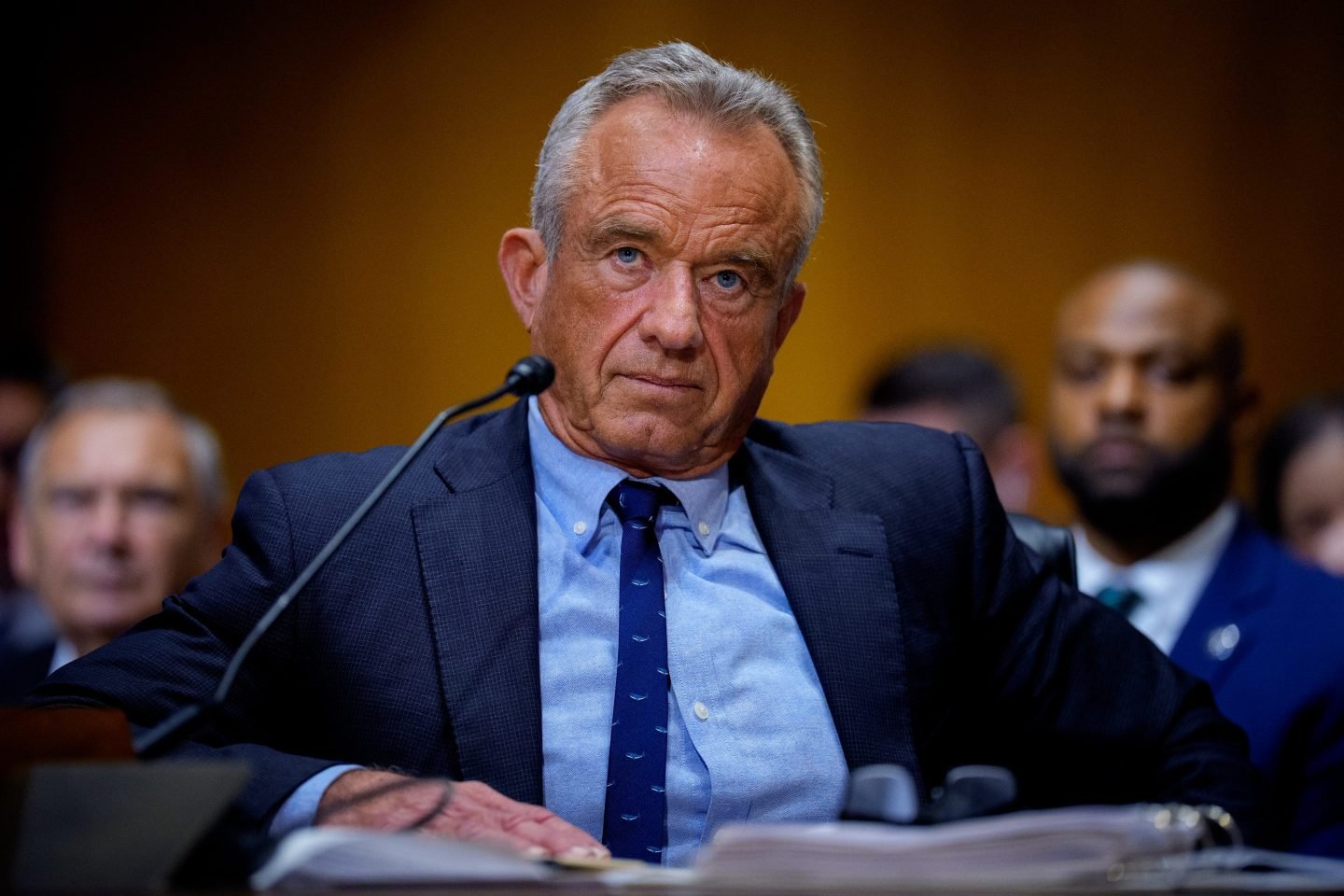
Long COVID’s Expanding Economic Toll Is Colliding With a Retreat in Federal Attention
New projections show billions in rising costs from chronic illness, lost productivity, and workforce disruption as Washington scales back long COVID infrastructure and research.
Long COVID has evolved from a public health emergency into a structural economic burden, and the central driver of the story is institutional withdrawal.
As millions of Americans continue to experience persistent symptoms years after infection, the federal response is shrinking rather than expanding.
Recent economic modeling projects that long COVID could cost the United States more than eight billion dollars between twenty twenty-five and twenty twenty-seven even under relatively conservative assumptions.
The estimate includes direct healthcare spending, reduced labor participation, lost productivity, and prolonged symptom management.
Researchers behind the analysis describe the figure as a floor rather than a ceiling because the condition remains underdiagnosed, inconsistently tracked, and medically unresolved.
Long COVID refers to persistent symptoms that continue for months after an acute COVID-19 infection.
Patients commonly report chronic fatigue, breathing difficulty, cognitive impairment often described as brain fog, cardiovascular complications, neurological symptoms, and severe exercise intolerance.
In many cases, symptoms fluctuate unpredictably, making stable employment difficult.
The economic mechanism is straightforward but severe.
The largest share of costs does not come from hospital treatment.
It comes from diminished workforce capacity.
Patients miss work, reduce hours, leave jobs entirely, or remain employed while functioning at sharply reduced levels.
Modeling suggests productivity losses account for more than ninety percent of total economic damage.
That matters because the scale of exposure is large.
Tens of millions of Americans have reported experiencing long COVID symptoms at some point since the pandemic began.
Estimates of prevalence vary widely, partly because diagnosis standards remain inconsistent and many patients never receive formal evaluation.
Even relatively modest assumptions produce multi-billion-dollar losses.
The burden is not confined to the United States.
New international analyses project that long COVID could reduce annual output across advanced economies by roughly zero point one to zero point two percent of gross domestic product over the next decade.
That level of drag is economically meaningful in already slow-growth economies facing aging populations and labor shortages.
The policy contradiction is becoming increasingly visible.
While economic projections are worsening, federal infrastructure dedicated to long COVID has weakened.
The Department of Health and Human Services shut down its Office of Long COVID Research after only a brief period of operation.
Multiple research and funding initiatives tied to treatment pathways and clinical understanding have also been scaled back or terminated.
The result is a widening gap between disease burden and institutional response.
Long COVID clinics remain scarce in many regions, waiting lists are long, and treatment protocols vary substantially between health systems.
Many patients cycle between specialists without receiving clear diagnoses or coordinated care.
Scientific uncertainty continues to complicate the issue.
There is still no universally effective treatment or cure.
Researchers increasingly suspect that long COVID is not one single condition but a cluster of overlapping biological syndromes involving immune dysfunction, inflammation, vascular damage, autonomic nervous system disruption, and persistent viral effects.
That complexity makes drug development and standardized treatment difficult.
At the same time, the politics surrounding COVID-19 have shifted sharply.
Public discussion of the pandemic has receded even as long-term consequences remain economically active.
Many employers have ended pandemic-era workplace accommodations.
Public health messaging around masking, indoor air quality, and booster vaccination has become fragmented and inconsistent across states and institutions.
That retreat has practical consequences.
Continued transmission increases the number of people at risk of developing long COVID, while weakened surveillance reduces visibility into how rapidly the condition is spreading.
The economic effect accumulates gradually rather than explosively, making it easier politically to ignore even as costs compound over time.
The labor implications are especially important.
Long COVID disproportionately affects working-age adults, including healthcare workers, teachers, transportation employees, service workers, and knowledge-sector professionals.
Some remain technically employed but operate with reduced cognitive stamina and physical endurance.
Economists describe this as a hidden productivity loss because it does not always appear immediately in unemployment data.
Insurance systems and disability programs are also under pressure.
Long COVID claims have increased across workplace disability insurers and social support systems.
Employers face rising absenteeism, accommodation costs, and turnover pressure.
Families absorb unpaid caregiving burdens that often fall outside formal economic accounting.
The debate over the true scale of the crisis is still active.
Some researchers argue current estimates substantially understate long-term damage because they assume symptom duration is shorter than emerging patient evidence suggests.
Others caution that prevalence estimates remain difficult to standardize due to inconsistent definitions and changing viral variants.
What is confirmed is that long COVID has not disappeared simply because political attention has faded.
The condition continues to generate measurable economic losses, healthcare strain, and workforce disruption years after the peak of the pandemic.
The United States is now entering a phase in which long COVID is becoming less of an emergency-response issue and more of a chronic systems challenge involving labor markets, disability policy, medical research, and long-term healthcare capacity.
Federal disengagement does not reduce those costs.
It transfers them onto workers, employers, families, and state-level health systems already operating under financial strain.
As millions of Americans continue to experience persistent symptoms years after infection, the federal response is shrinking rather than expanding.
Recent economic modeling projects that long COVID could cost the United States more than eight billion dollars between twenty twenty-five and twenty twenty-seven even under relatively conservative assumptions.
The estimate includes direct healthcare spending, reduced labor participation, lost productivity, and prolonged symptom management.
Researchers behind the analysis describe the figure as a floor rather than a ceiling because the condition remains underdiagnosed, inconsistently tracked, and medically unresolved.
Long COVID refers to persistent symptoms that continue for months after an acute COVID-19 infection.
Patients commonly report chronic fatigue, breathing difficulty, cognitive impairment often described as brain fog, cardiovascular complications, neurological symptoms, and severe exercise intolerance.
In many cases, symptoms fluctuate unpredictably, making stable employment difficult.
The economic mechanism is straightforward but severe.
The largest share of costs does not come from hospital treatment.
It comes from diminished workforce capacity.
Patients miss work, reduce hours, leave jobs entirely, or remain employed while functioning at sharply reduced levels.
Modeling suggests productivity losses account for more than ninety percent of total economic damage.
That matters because the scale of exposure is large.
Tens of millions of Americans have reported experiencing long COVID symptoms at some point since the pandemic began.
Estimates of prevalence vary widely, partly because diagnosis standards remain inconsistent and many patients never receive formal evaluation.
Even relatively modest assumptions produce multi-billion-dollar losses.
The burden is not confined to the United States.
New international analyses project that long COVID could reduce annual output across advanced economies by roughly zero point one to zero point two percent of gross domestic product over the next decade.
That level of drag is economically meaningful in already slow-growth economies facing aging populations and labor shortages.
The policy contradiction is becoming increasingly visible.
While economic projections are worsening, federal infrastructure dedicated to long COVID has weakened.
The Department of Health and Human Services shut down its Office of Long COVID Research after only a brief period of operation.
Multiple research and funding initiatives tied to treatment pathways and clinical understanding have also been scaled back or terminated.
The result is a widening gap between disease burden and institutional response.
Long COVID clinics remain scarce in many regions, waiting lists are long, and treatment protocols vary substantially between health systems.
Many patients cycle between specialists without receiving clear diagnoses or coordinated care.
Scientific uncertainty continues to complicate the issue.
There is still no universally effective treatment or cure.
Researchers increasingly suspect that long COVID is not one single condition but a cluster of overlapping biological syndromes involving immune dysfunction, inflammation, vascular damage, autonomic nervous system disruption, and persistent viral effects.
That complexity makes drug development and standardized treatment difficult.
At the same time, the politics surrounding COVID-19 have shifted sharply.
Public discussion of the pandemic has receded even as long-term consequences remain economically active.
Many employers have ended pandemic-era workplace accommodations.
Public health messaging around masking, indoor air quality, and booster vaccination has become fragmented and inconsistent across states and institutions.
That retreat has practical consequences.
Continued transmission increases the number of people at risk of developing long COVID, while weakened surveillance reduces visibility into how rapidly the condition is spreading.
The economic effect accumulates gradually rather than explosively, making it easier politically to ignore even as costs compound over time.
The labor implications are especially important.
Long COVID disproportionately affects working-age adults, including healthcare workers, teachers, transportation employees, service workers, and knowledge-sector professionals.
Some remain technically employed but operate with reduced cognitive stamina and physical endurance.
Economists describe this as a hidden productivity loss because it does not always appear immediately in unemployment data.
Insurance systems and disability programs are also under pressure.
Long COVID claims have increased across workplace disability insurers and social support systems.
Employers face rising absenteeism, accommodation costs, and turnover pressure.
Families absorb unpaid caregiving burdens that often fall outside formal economic accounting.
The debate over the true scale of the crisis is still active.
Some researchers argue current estimates substantially understate long-term damage because they assume symptom duration is shorter than emerging patient evidence suggests.
Others caution that prevalence estimates remain difficult to standardize due to inconsistent definitions and changing viral variants.
What is confirmed is that long COVID has not disappeared simply because political attention has faded.
The condition continues to generate measurable economic losses, healthcare strain, and workforce disruption years after the peak of the pandemic.
The United States is now entering a phase in which long COVID is becoming less of an emergency-response issue and more of a chronic systems challenge involving labor markets, disability policy, medical research, and long-term healthcare capacity.
Federal disengagement does not reduce those costs.
It transfers them onto workers, employers, families, and state-level health systems already operating under financial strain.
AI Disclaimer: An advanced artificial intelligence (AI) system generated the content of this page on its own. This innovative technology conducts extensive research from a variety of reliable sources, performs rigorous fact-checking and verification, cleans up and balances biased or manipulated content, and presents a minimal factual summary that is just enough yet essential for you to function as an informed and educated citizen. Please keep in mind, however, that this system is an evolving technology, and as a result, the article may contain accidental inaccuracies or errors. We urge you to help us improve our site by reporting any inaccuracies you find using the "Contact Us" link at the bottom of this page. Your helpful feedback helps us improve our system and deliver more precise content. When you find an article of interest here, please look for the full and extensive coverage of this topic in traditional news sources, as they are written by professional journalists that we try to support, not replace. We appreciate your understanding and assistance.