Trump Turns White House Shooting Into New Push for Controversial Ballroom Project
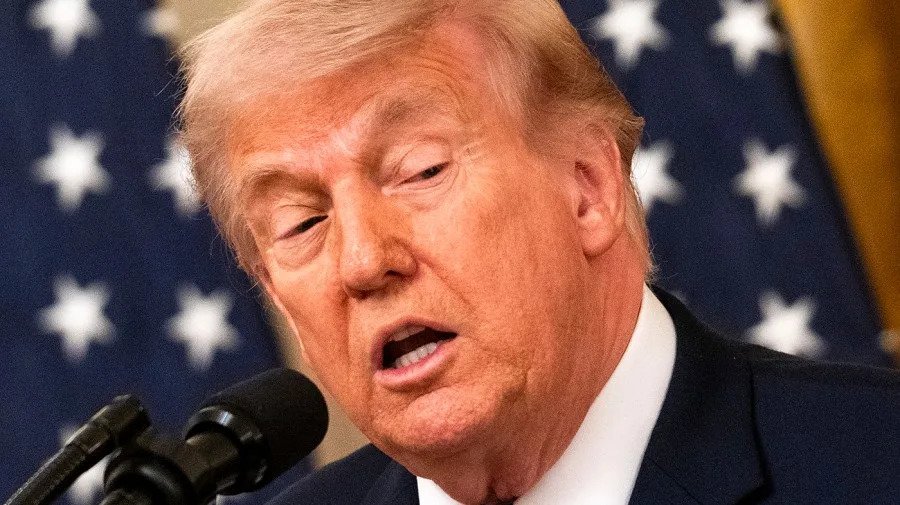
After a gunman opened fire near the White House during Memorial Day weekend, Donald Trump praised the Secret Service and renewed demands for a heavily disputed ballroom expansion framed as a national security measure.
The story is fundamentally actor-driven because President Donald Trump himself has tied a deadly White House security incident directly to a controversial construction project that has already triggered political, legal, and institutional conflict.
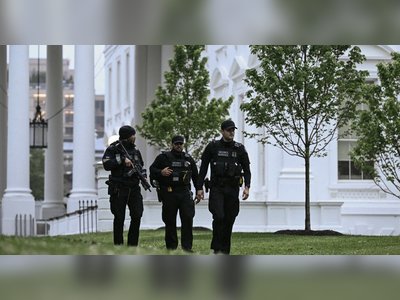
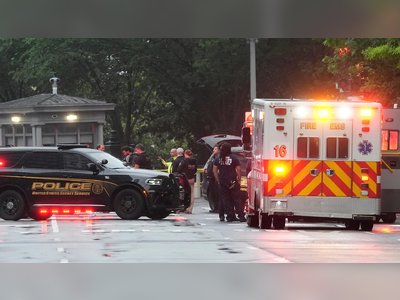
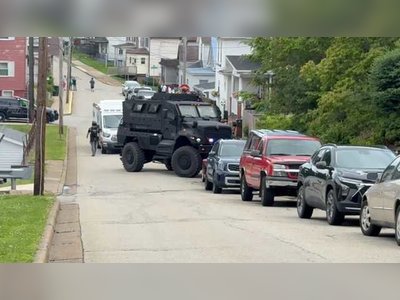
Hours after a gunman opened fire near a White House checkpoint during Memorial Day weekend, Trump publicly thanked the Secret Service for what he described as a swift and professional response.
He then used the incident to renew his argument for building a massive new White House ballroom, claiming the project is essential for presidential security.
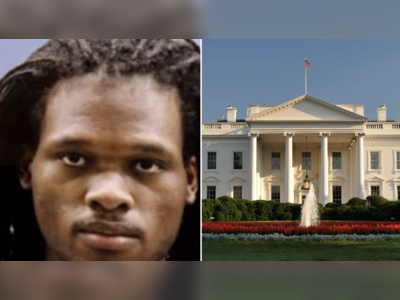
What is confirmed is that a twenty-one-year-old man identified by officials as Nasire Best approached a checkpoint near 17th Street and Pennsylvania Avenue on Saturday evening, removed a firearm from a bag, and fired toward Secret Service personnel.
Officers returned fire immediately, killing the suspect.
A bystander was also injured during the exchange.
Trump was inside the White House at the time and was not harmed.
The shooting triggered a temporary lockdown of the White House complex and a large federal response involving the Secret Service and the Federal Bureau of Investigation.
Officials say the suspect had prior interactions with law enforcement and had previously been subject to restrictions involving White House access.
Trump responded by arguing that recent security incidents prove the need for what he calls a “safe and secure” ballroom facility inside the White House grounds.
The proposal is one of the most contentious architectural and political projects of his second presidency.
The ballroom plan involves a roughly ninety-thousand-square-foot structure projected to cost approximately four hundred million dollars.
Trump and his allies have promoted the project as a modernized event and security facility equipped with advanced protective features including hardened glass, anti-drone systems, and controlled-access infrastructure.
The proposal became substantially more controversial after the administration moved to demolish parts of the East Wing to prepare for construction.
Preservation groups, legal challengers, and some members of Congress argue the White House complex is a historic national site rather than a redevelopment platform for executive expansion projects.
The central issue is not simply architecture.
It is whether security concerns are being used to accelerate a politically divisive project that might otherwise face stronger resistance.
Trump has repeatedly linked violent incidents to the ballroom proposal.
After a previous shooting scare connected to the White House Correspondents’ Dinner earlier this year, he similarly argued that a secure ballroom on White House grounds would reduce risks associated with outside venues.
That argument reflects a real security concern inside presidential protection operations.
Off-site events create significantly more vulnerability than hardened executive compounds.
Hotels, convention centers, and public venues are harder to fully control because they involve larger civilian populations, multiple access points, temporary screening zones, and less predictable architecture.
From a purely operational standpoint, a purpose-built event facility inside the White House perimeter would simplify protective logistics for large presidential gatherings.
Security teams could rely on permanent infrastructure rather than temporary deployments.
But critics argue Trump is stretching legitimate security concerns into justification for a project many view as excessive, symbolic, or self-promotional.
Opponents also question whether the ballroom materially addresses the type of threat seen in Saturday’s shooting.
The Memorial Day weekend gunman never breached the White House itself.
Secret Service officers stopped him at an exterior checkpoint before he reached the secure core of the complex.
The confrontation occurred outdoors near public-access areas adjacent to the White House perimeter.
Expanding indoor ballroom space would not necessarily change the vulnerability of exterior checkpoint zones.
The political optics are therefore becoming central to the story.
Trump’s critics accuse him of rapidly converting violent incidents into messaging opportunities tied to a signature construction project.
Supporters counter that recent attacks demonstrate the increasing intensity of threats surrounding the presidency and justify stronger infrastructure investment.
The administration is also navigating an active legal battle over the ballroom project.
A federal judge previously ordered portions of construction activity paused while questions over executive authority and congressional approval are reviewed.
Preservation advocates maintain that the executive branch cannot unilaterally reshape historically protected White House grounds without legislative oversight.
At the same time, some Republican lawmakers and administration allies are pushing for broader presidential security funding packages that could indirectly support portions of the project.
That has intensified concern among opponents who believe national security arguments are being merged with political priorities.
The broader context matters because threats around the White House have become more frequent, more unpredictable, and increasingly driven by lone actors rather than organized groups.
Federal authorities are dealing with a security environment shaped by political polarization, mental health instability, online radicalization, and widespread firearm access.
Saturday’s shooting reinforced how rapidly those risks can materialize even within one of the world’s most heavily protected government zones.
The Secret Service response prevented a perimeter breach and protected the president successfully.
But the incident also reopened unresolved questions about threat prevention, public accessibility around the White House, and the expanding securitization of the presidency itself.
Trump’s renewed ballroom push now places those questions directly into the center of a larger fight over presidential power, public symbolism, federal spending, and how far security arguments should reshape the physical structure of the White House complex.
Hours after a gunman opened fire near a White House checkpoint during Memorial Day weekend, Trump publicly thanked the Secret Service for what he described as a swift and professional response.
He then used the incident to renew his argument for building a massive new White House ballroom, claiming the project is essential for presidential security.
What is confirmed is that a twenty-one-year-old man identified by officials as Nasire Best approached a checkpoint near 17th Street and Pennsylvania Avenue on Saturday evening, removed a firearm from a bag, and fired toward Secret Service personnel.
Officers returned fire immediately, killing the suspect.
A bystander was also injured during the exchange.
Trump was inside the White House at the time and was not harmed.
The shooting triggered a temporary lockdown of the White House complex and a large federal response involving the Secret Service and the Federal Bureau of Investigation.
Officials say the suspect had prior interactions with law enforcement and had previously been subject to restrictions involving White House access.
Trump responded by arguing that recent security incidents prove the need for what he calls a “safe and secure” ballroom facility inside the White House grounds.
The proposal is one of the most contentious architectural and political projects of his second presidency.
The ballroom plan involves a roughly ninety-thousand-square-foot structure projected to cost approximately four hundred million dollars.
Trump and his allies have promoted the project as a modernized event and security facility equipped with advanced protective features including hardened glass, anti-drone systems, and controlled-access infrastructure.
The proposal became substantially more controversial after the administration moved to demolish parts of the East Wing to prepare for construction.
Preservation groups, legal challengers, and some members of Congress argue the White House complex is a historic national site rather than a redevelopment platform for executive expansion projects.
The central issue is not simply architecture.
It is whether security concerns are being used to accelerate a politically divisive project that might otherwise face stronger resistance.
Trump has repeatedly linked violent incidents to the ballroom proposal.
After a previous shooting scare connected to the White House Correspondents’ Dinner earlier this year, he similarly argued that a secure ballroom on White House grounds would reduce risks associated with outside venues.
That argument reflects a real security concern inside presidential protection operations.
Off-site events create significantly more vulnerability than hardened executive compounds.
Hotels, convention centers, and public venues are harder to fully control because they involve larger civilian populations, multiple access points, temporary screening zones, and less predictable architecture.
From a purely operational standpoint, a purpose-built event facility inside the White House perimeter would simplify protective logistics for large presidential gatherings.
Security teams could rely on permanent infrastructure rather than temporary deployments.
But critics argue Trump is stretching legitimate security concerns into justification for a project many view as excessive, symbolic, or self-promotional.
Opponents also question whether the ballroom materially addresses the type of threat seen in Saturday’s shooting.
The Memorial Day weekend gunman never breached the White House itself.
Secret Service officers stopped him at an exterior checkpoint before he reached the secure core of the complex.
The confrontation occurred outdoors near public-access areas adjacent to the White House perimeter.
Expanding indoor ballroom space would not necessarily change the vulnerability of exterior checkpoint zones.
The political optics are therefore becoming central to the story.
Trump’s critics accuse him of rapidly converting violent incidents into messaging opportunities tied to a signature construction project.
Supporters counter that recent attacks demonstrate the increasing intensity of threats surrounding the presidency and justify stronger infrastructure investment.
The administration is also navigating an active legal battle over the ballroom project.
A federal judge previously ordered portions of construction activity paused while questions over executive authority and congressional approval are reviewed.
Preservation advocates maintain that the executive branch cannot unilaterally reshape historically protected White House grounds without legislative oversight.
At the same time, some Republican lawmakers and administration allies are pushing for broader presidential security funding packages that could indirectly support portions of the project.
That has intensified concern among opponents who believe national security arguments are being merged with political priorities.
The broader context matters because threats around the White House have become more frequent, more unpredictable, and increasingly driven by lone actors rather than organized groups.
Federal authorities are dealing with a security environment shaped by political polarization, mental health instability, online radicalization, and widespread firearm access.
Saturday’s shooting reinforced how rapidly those risks can materialize even within one of the world’s most heavily protected government zones.
The Secret Service response prevented a perimeter breach and protected the president successfully.
But the incident also reopened unresolved questions about threat prevention, public accessibility around the White House, and the expanding securitization of the presidency itself.
Trump’s renewed ballroom push now places those questions directly into the center of a larger fight over presidential power, public symbolism, federal spending, and how far security arguments should reshape the physical structure of the White House complex.
AI Disclaimer: An advanced artificial intelligence (AI) system generated the content of this page on its own. This innovative technology conducts extensive research from a variety of reliable sources, performs rigorous fact-checking and verification, cleans up and balances biased or manipulated content, and presents a minimal factual summary that is just enough yet essential for you to function as an informed and educated citizen. Please keep in mind, however, that this system is an evolving technology, and as a result, the article may contain accidental inaccuracies or errors. We urge you to help us improve our site by reporting any inaccuracies you find using the "Contact Us" link at the bottom of this page. Your helpful feedback helps us improve our system and deliver more precise content. When you find an article of interest here, please look for the full and extensive coverage of this topic in traditional news sources, as they are written by professional journalists that we try to support, not replace. We appreciate your understanding and assistance.