The US–UK ‘Special Relationship’: A Century of Alignment, Friction, and Strategic Dependence
From wartime alliance to modern geopolitical partnership, the relationship has repeatedly shifted between deep cooperation and sharp divergence over war, trade, and global power priorities
The United States–United Kingdom “special relationship” is a SYSTEM-DRIVEN geopolitical framework shaped by intelligence sharing, military coordination, economic interdependence, and periodic political friction.
Its evolution reflects not a single alliance agreement but a century-long accumulation of strategic alignment and recurring disagreement over how power should be used globally.
The foundation was built during the Second World War, when Britain’s survival depended heavily on US industrial and military capacity.
Joint planning between London and Washington created enduring intelligence structures and military interoperability that remain central today.
After the war, the relationship shifted from wartime necessity to Cold War strategy, with both countries aligned against Soviet expansion.
Nuclear cooperation, NATO’s formation, and coordinated intelligence operations became defining features of the partnership.
Tensions emerged even during this period of alignment.
The Suez Crisis in the mid-1950s marked a major rupture, when the United States opposed Britain and France’s military intervention in Egypt.
The episode exposed the limits of British independent power and confirmed Washington’s dominance within the Western alliance system.
Although cooperation resumed quickly, the crisis permanently rebalanced the relationship in favor of the United States.
From the late Cold War into the 1990s, the partnership regained coherence.
The Reagan–Thatcher era symbolized ideological alignment around market liberalization and military assertiveness.
Intelligence cooperation deepened, particularly through signals intelligence networks, while joint positions on Soviet containment remained consistent.
In the post-Cold War era, the relationship became more operational and coalition-based.
The wars in the Balkans, Afghanistan, and Iraq demonstrated Britain’s role as Washington’s closest military partner.
The Iraq War in the early 2000s, led by the US and strongly supported by the UK government at the time, became one of the most controversial episodes in the relationship, triggering long-term domestic political consequences in Britain and global debate over intelligence used to justify the invasion.
Under the Obama and Cameron governments, cooperation continued in counterterrorism, Libya intervention, and intelligence sharing, but with increasing divergence over military engagement levels and burden-sharing expectations.
The United States increasingly emphasized strategic rebalancing toward Asia, while the United Kingdom faced fiscal constraints that limited its global military footprint.
The Brexit period introduced a new structural variable.
Britain’s exit from the European Union increased its political need to reinforce bilateral ties with the United States, while Washington’s approach varied across administrations.
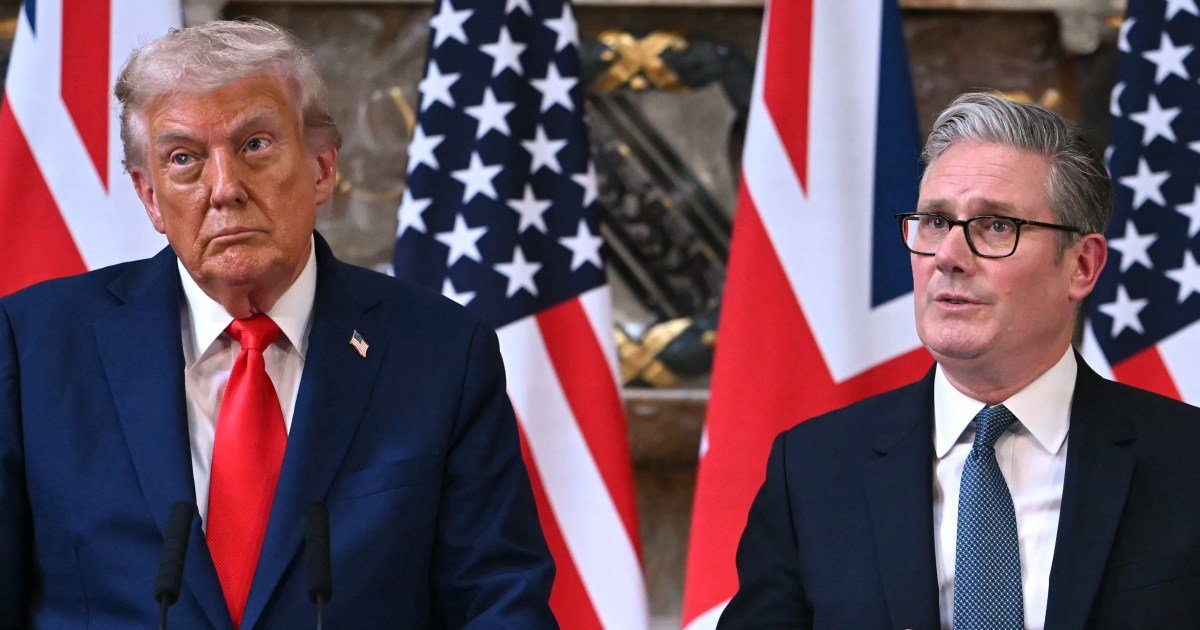
Under Donald Trump’s presidency, rhetoric around trade and NATO burden-sharing introduced visible strain, though core intelligence and defense cooperation remained intact.
Subsequent US administrations restored more conventional diplomatic tone, but underlying disagreements over trade policy, regulatory alignment, and global strategy persisted.
At the institutional level, the relationship remains unusually deep by international standards.
Intelligence cooperation through long-standing signals intelligence partnerships, integrated military command structures, and shared nuclear and defense technology frameworks continues to bind both countries regardless of political leadership changes.
The current phase is defined by strategic recalibration rather than rupture.
Both countries face competing pressures: the United States is focused on great-power competition and Indo-Pacific security, while the United Kingdom is managing reduced economic scale relative to global competitors and seeking to maintain relevance in US-led security frameworks.
Coordination continues in NATO, Ukraine support policy, and intelligence operations, but differences in economic strategy and global prioritization are more visible than in earlier decades.
The trajectory of the relationship has therefore been neither linear alliance nor cyclical collapse, but a persistent structure of deep cooperation constrained by periodic political divergence.
Its durability rests less on sentiment than on embedded security architecture, shared intelligence systems, and mutual strategic utility that continues to shape both countries’ foreign policy choices.
Its evolution reflects not a single alliance agreement but a century-long accumulation of strategic alignment and recurring disagreement over how power should be used globally.
The foundation was built during the Second World War, when Britain’s survival depended heavily on US industrial and military capacity.
Joint planning between London and Washington created enduring intelligence structures and military interoperability that remain central today.
After the war, the relationship shifted from wartime necessity to Cold War strategy, with both countries aligned against Soviet expansion.
Nuclear cooperation, NATO’s formation, and coordinated intelligence operations became defining features of the partnership.
Tensions emerged even during this period of alignment.
The Suez Crisis in the mid-1950s marked a major rupture, when the United States opposed Britain and France’s military intervention in Egypt.
The episode exposed the limits of British independent power and confirmed Washington’s dominance within the Western alliance system.
Although cooperation resumed quickly, the crisis permanently rebalanced the relationship in favor of the United States.
From the late Cold War into the 1990s, the partnership regained coherence.
The Reagan–Thatcher era symbolized ideological alignment around market liberalization and military assertiveness.
Intelligence cooperation deepened, particularly through signals intelligence networks, while joint positions on Soviet containment remained consistent.
In the post-Cold War era, the relationship became more operational and coalition-based.
The wars in the Balkans, Afghanistan, and Iraq demonstrated Britain’s role as Washington’s closest military partner.
The Iraq War in the early 2000s, led by the US and strongly supported by the UK government at the time, became one of the most controversial episodes in the relationship, triggering long-term domestic political consequences in Britain and global debate over intelligence used to justify the invasion.
Under the Obama and Cameron governments, cooperation continued in counterterrorism, Libya intervention, and intelligence sharing, but with increasing divergence over military engagement levels and burden-sharing expectations.
The United States increasingly emphasized strategic rebalancing toward Asia, while the United Kingdom faced fiscal constraints that limited its global military footprint.
The Brexit period introduced a new structural variable.
Britain’s exit from the European Union increased its political need to reinforce bilateral ties with the United States, while Washington’s approach varied across administrations.
Under Donald Trump’s presidency, rhetoric around trade and NATO burden-sharing introduced visible strain, though core intelligence and defense cooperation remained intact.
Subsequent US administrations restored more conventional diplomatic tone, but underlying disagreements over trade policy, regulatory alignment, and global strategy persisted.
At the institutional level, the relationship remains unusually deep by international standards.
Intelligence cooperation through long-standing signals intelligence partnerships, integrated military command structures, and shared nuclear and defense technology frameworks continues to bind both countries regardless of political leadership changes.
The current phase is defined by strategic recalibration rather than rupture.
Both countries face competing pressures: the United States is focused on great-power competition and Indo-Pacific security, while the United Kingdom is managing reduced economic scale relative to global competitors and seeking to maintain relevance in US-led security frameworks.
Coordination continues in NATO, Ukraine support policy, and intelligence operations, but differences in economic strategy and global prioritization are more visible than in earlier decades.
The trajectory of the relationship has therefore been neither linear alliance nor cyclical collapse, but a persistent structure of deep cooperation constrained by periodic political divergence.
Its durability rests less on sentiment than on embedded security architecture, shared intelligence systems, and mutual strategic utility that continues to shape both countries’ foreign policy choices.
AI Disclaimer: An advanced artificial intelligence (AI) system generated the content of this page on its own. This innovative technology conducts extensive research from a variety of reliable sources, performs rigorous fact-checking and verification, cleans up and balances biased or manipulated content, and presents a minimal factual summary that is just enough yet essential for you to function as an informed and educated citizen. Please keep in mind, however, that this system is an evolving technology, and as a result, the article may contain accidental inaccuracies or errors. We urge you to help us improve our site by reporting any inaccuracies you find using the "Contact Us" link at the bottom of this page. Your helpful feedback helps us improve our system and deliver more precise content. When you find an article of interest here, please look for the full and extensive coverage of this topic in traditional news sources, as they are written by professional journalists that we try to support, not replace. We appreciate your understanding and assistance.