Germany Seeks Calm as U.S. Signals Possible Troop Adjustments in Europe
Berlin moves to contain diplomatic tension after indications of a U.S. force posture review, as Chancellor Friedrich Merz emphasizes continuity in transatlantic ties
The structure of NATO’s military presence in Europe is once again under scrutiny as the United States signals a reassessment of its troop deployment levels, prompting political reactions across allied capitals.
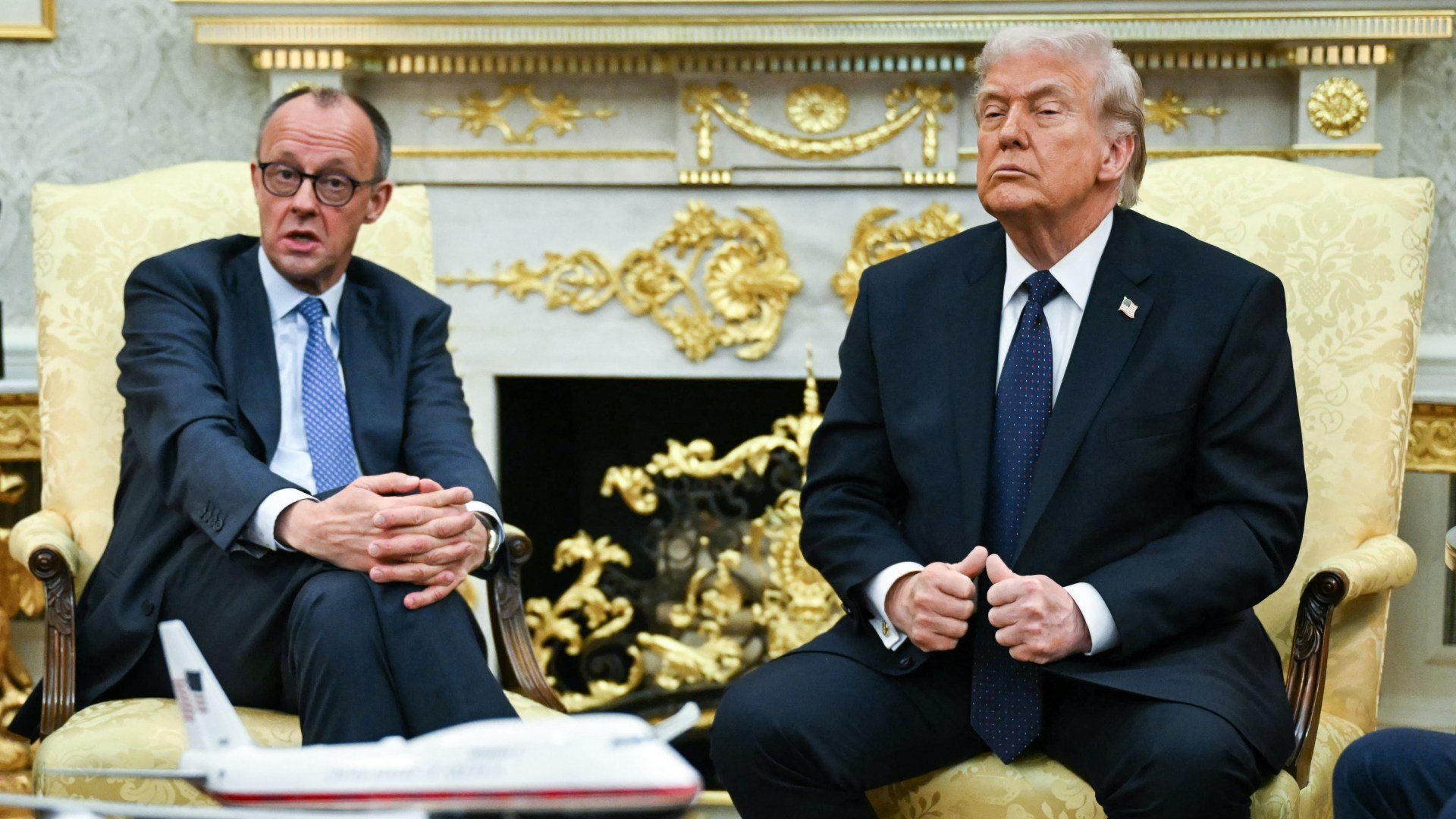
In Germany, Chancellor Friedrich Merz has moved to downplay any suggestion of a strategic rift with Washington, framing the situation as a managed adjustment within a long-standing security partnership rather than a break in alignment.
What is confirmed is that discussions within the transatlantic alliance have included potential shifts in U.S. force posture in Europe, part of a broader periodic review of military commitments, global priorities, and resource allocation.
These reviews are not unprecedented and typically reflect evolving threat assessments, budget constraints, and competing strategic demands across multiple regions.
Germany remains one of the central hubs for U.S. military presence in Europe, hosting significant personnel, logistics infrastructure, and command functions that underpin NATO operations.
Any reduction or redistribution of forces based there would carry symbolic and operational implications, even if conducted gradually or partially offset by allied adjustments.
Merz’s public response has focused on continuity, stressing that bilateral relations with the United States remain anchored in shared defense frameworks and institutional cooperation.
His comments are aimed at preventing political escalation within Europe, where security dependence on the United States remains a sensitive and often contested issue.
At the same time, the broader context is one of increasing European debate over strategic autonomy.
Several EU member states have been expanding defense budgets and industrial capacity in response to both uncertainty about long-term U.S. engagement and heightened regional security pressures.
The possibility of U.S. troop repositioning feeds directly into that debate, reinforcing arguments on both sides about burden-sharing within NATO.
For Washington, force posture reviews are typically framed as optimization rather than disengagement.
The underlying mechanism is adjustment rather than withdrawal: aligning deployments with perceived global priorities, including deterrence requirements in other regions and evolving military technologies that reduce reliance on fixed basing.
For Berlin, the priority is stability in messaging.
German officials have consistently sought to avoid public framing that suggests fragmentation of the alliance, aware that signaling discord can itself affect deterrence credibility.
The emphasis has therefore been on procedural normalcy, even as strategic discussions continue behind closed doors.
The immediate consequence is political calibration rather than operational disruption.
Military planners across NATO are expected to continue coordination on existing frameworks, while governments manage domestic interpretation of any changes in U.S. deployment patterns.
The trajectory now depends on how force posture reviews are translated into concrete scheduling and whether allied states choose to respond with parallel increases in their own capabilities.
In Germany, Chancellor Friedrich Merz has moved to downplay any suggestion of a strategic rift with Washington, framing the situation as a managed adjustment within a long-standing security partnership rather than a break in alignment.
What is confirmed is that discussions within the transatlantic alliance have included potential shifts in U.S. force posture in Europe, part of a broader periodic review of military commitments, global priorities, and resource allocation.
These reviews are not unprecedented and typically reflect evolving threat assessments, budget constraints, and competing strategic demands across multiple regions.
Germany remains one of the central hubs for U.S. military presence in Europe, hosting significant personnel, logistics infrastructure, and command functions that underpin NATO operations.
Any reduction or redistribution of forces based there would carry symbolic and operational implications, even if conducted gradually or partially offset by allied adjustments.
Merz’s public response has focused on continuity, stressing that bilateral relations with the United States remain anchored in shared defense frameworks and institutional cooperation.
His comments are aimed at preventing political escalation within Europe, where security dependence on the United States remains a sensitive and often contested issue.
At the same time, the broader context is one of increasing European debate over strategic autonomy.
Several EU member states have been expanding defense budgets and industrial capacity in response to both uncertainty about long-term U.S. engagement and heightened regional security pressures.
The possibility of U.S. troop repositioning feeds directly into that debate, reinforcing arguments on both sides about burden-sharing within NATO.
For Washington, force posture reviews are typically framed as optimization rather than disengagement.
The underlying mechanism is adjustment rather than withdrawal: aligning deployments with perceived global priorities, including deterrence requirements in other regions and evolving military technologies that reduce reliance on fixed basing.
For Berlin, the priority is stability in messaging.
German officials have consistently sought to avoid public framing that suggests fragmentation of the alliance, aware that signaling discord can itself affect deterrence credibility.
The emphasis has therefore been on procedural normalcy, even as strategic discussions continue behind closed doors.
The immediate consequence is political calibration rather than operational disruption.
Military planners across NATO are expected to continue coordination on existing frameworks, while governments manage domestic interpretation of any changes in U.S. deployment patterns.
The trajectory now depends on how force posture reviews are translated into concrete scheduling and whether allied states choose to respond with parallel increases in their own capabilities.
AI Disclaimer: An advanced artificial intelligence (AI) system generated the content of this page on its own. This innovative technology conducts extensive research from a variety of reliable sources, performs rigorous fact-checking and verification, cleans up and balances biased or manipulated content, and presents a minimal factual summary that is just enough yet essential for you to function as an informed and educated citizen. Please keep in mind, however, that this system is an evolving technology, and as a result, the article may contain accidental inaccuracies or errors. We urge you to help us improve our site by reporting any inaccuracies you find using the "Contact Us" link at the bottom of this page. Your helpful feedback helps us improve our system and deliver more precise content. When you find an article of interest here, please look for the full and extensive coverage of this topic in traditional news sources, as they are written by professional journalists that we try to support, not replace. We appreciate your understanding and assistance.