Lebanon Pushes for Israel Ceasefire as US Talks Aim to Stabilize Escalating Border Conflict
Beirut seeks international backing for a truce with Israel amid renewed diplomatic efforts in Washington focused on preventing further military escalation along the Lebanon–Israel frontier
A diplomatic push by Lebanon to secure a ceasefire with Israel is unfolding alongside renewed discussions in Washington aimed at containing rising cross-border violence between Israel and Hezbollah.
The developments reflect a broader attempt by regional and international actors to prevent the confrontation from expanding into a wider war along the Israel–Lebanon frontier.
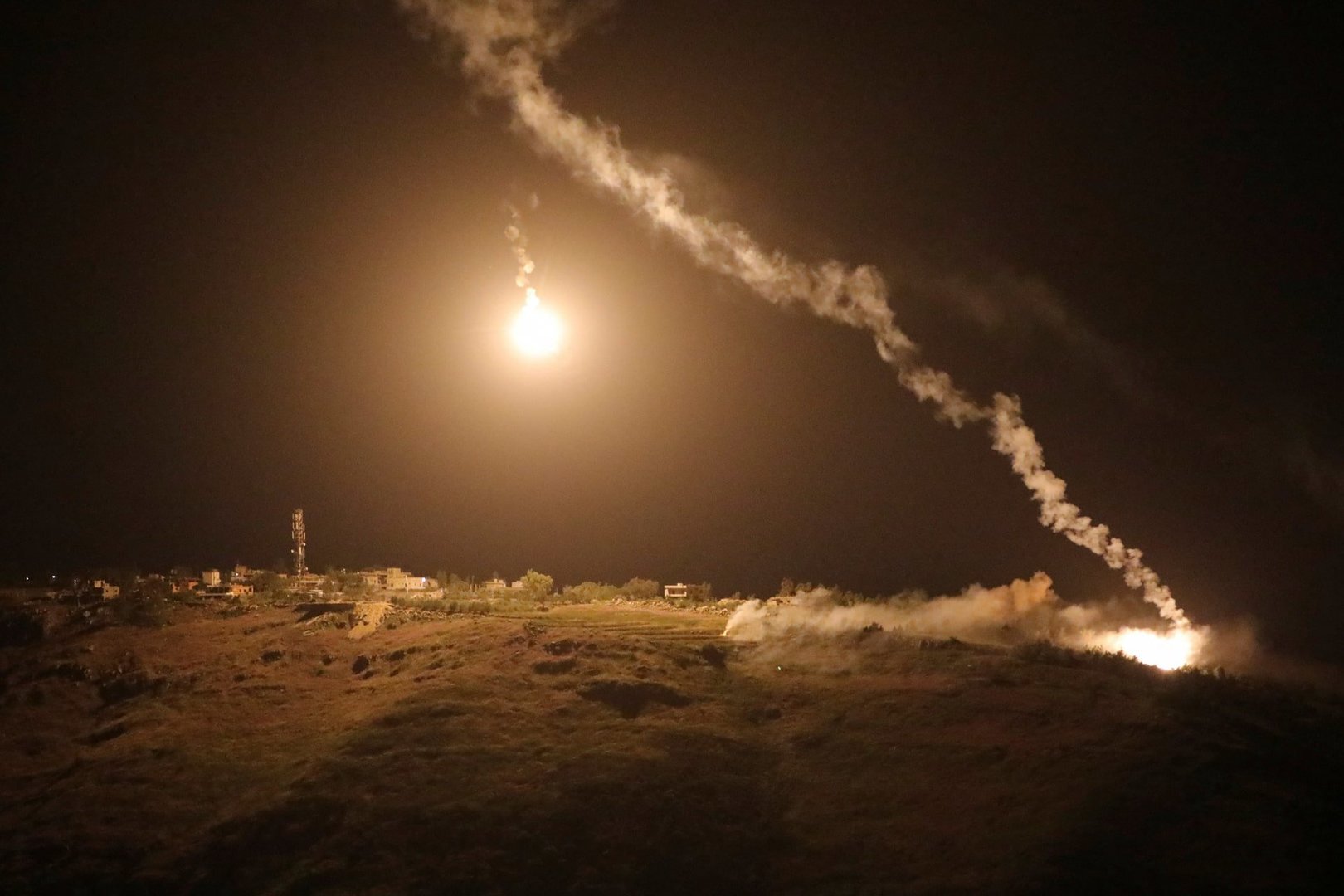
The core driver of the situation is a sustained pattern of military exchanges across the southern Lebanon border, where Israeli forces and Hezbollah have engaged in regular strikes, counterstrikes, and artillery fire since the escalation of regional hostilities following the Gaza conflict.
The exchanges have intensified pressure on civilian areas on both sides of the border and increased the risk of miscalculation that could trigger a broader escalation.
Lebanon’s diplomatic effort centers on pressing for a ceasefire framework that would reduce or halt hostilities along the border.
The Lebanese state operates under complex internal constraints, as Hezbollah maintains significant military capability and political influence within the country, while the formal government seeks to avoid full-scale war and limit further destruction of infrastructure and displacement of civilians.
The United States has positioned itself as a key intermediary in efforts to prevent escalation, engaging in talks that focus on de-escalation mechanisms, border stabilization arrangements, and the possibility of separating the Lebanon front from the wider regional conflict.
Washington’s approach is driven by concerns that sustained fighting between Israel and Hezbollah could overwhelm existing deterrence structures and draw in additional regional actors.
Israel’s position is shaped by its security objective of reducing Hezbollah’s military presence and preventing cross-border attacks on northern communities.
This has led to continued strikes targeting what Israel describes as militant infrastructure, while maintaining a military posture designed to deter sustained rocket fire.
These operations, however, carry the risk of widening the conflict if retaliation escalates beyond current patterns.
Hezbollah, for its part, has maintained that its operations are linked to the broader regional conflict and framed its actions as support for Palestinian factions in Gaza.
Its military capabilities, including rockets and guided munitions, represent a significant factor in the strategic calculations on both sides of the border, contributing to the persistent risk of escalation despite diplomatic efforts.
The Washington talks reflect an attempt to create a parallel diplomatic track that can reduce pressure on the military front.
Discussions are expected to focus on mechanisms for reducing hostilities, including potential monitoring arrangements or indirect understandings that could limit the scope of cross-border fire without requiring a comprehensive political settlement, which remains politically distant.
The stakes extend beyond the immediate border region.
A wider conflict between Israel and Hezbollah would likely have significant regional consequences, including disruption to energy markets, increased displacement in both Lebanon and northern Israel, and potential involvement from allied or proxy forces in the region.
For Lebanon, already facing severe economic strain, sustained conflict would further undermine state capacity and deepen humanitarian pressures.
As diplomatic efforts continue, the situation remains defined by a fragile balance between active military confrontation and ongoing international attempts to prevent escalation.
The outcome of the Washington talks will shape whether current containment efforts hold or whether the border conflict evolves into a broader regional confrontation.
The developments reflect a broader attempt by regional and international actors to prevent the confrontation from expanding into a wider war along the Israel–Lebanon frontier.
The core driver of the situation is a sustained pattern of military exchanges across the southern Lebanon border, where Israeli forces and Hezbollah have engaged in regular strikes, counterstrikes, and artillery fire since the escalation of regional hostilities following the Gaza conflict.
The exchanges have intensified pressure on civilian areas on both sides of the border and increased the risk of miscalculation that could trigger a broader escalation.
Lebanon’s diplomatic effort centers on pressing for a ceasefire framework that would reduce or halt hostilities along the border.
The Lebanese state operates under complex internal constraints, as Hezbollah maintains significant military capability and political influence within the country, while the formal government seeks to avoid full-scale war and limit further destruction of infrastructure and displacement of civilians.
The United States has positioned itself as a key intermediary in efforts to prevent escalation, engaging in talks that focus on de-escalation mechanisms, border stabilization arrangements, and the possibility of separating the Lebanon front from the wider regional conflict.
Washington’s approach is driven by concerns that sustained fighting between Israel and Hezbollah could overwhelm existing deterrence structures and draw in additional regional actors.
Israel’s position is shaped by its security objective of reducing Hezbollah’s military presence and preventing cross-border attacks on northern communities.
This has led to continued strikes targeting what Israel describes as militant infrastructure, while maintaining a military posture designed to deter sustained rocket fire.
These operations, however, carry the risk of widening the conflict if retaliation escalates beyond current patterns.
Hezbollah, for its part, has maintained that its operations are linked to the broader regional conflict and framed its actions as support for Palestinian factions in Gaza.
Its military capabilities, including rockets and guided munitions, represent a significant factor in the strategic calculations on both sides of the border, contributing to the persistent risk of escalation despite diplomatic efforts.
The Washington talks reflect an attempt to create a parallel diplomatic track that can reduce pressure on the military front.
Discussions are expected to focus on mechanisms for reducing hostilities, including potential monitoring arrangements or indirect understandings that could limit the scope of cross-border fire without requiring a comprehensive political settlement, which remains politically distant.
The stakes extend beyond the immediate border region.
A wider conflict between Israel and Hezbollah would likely have significant regional consequences, including disruption to energy markets, increased displacement in both Lebanon and northern Israel, and potential involvement from allied or proxy forces in the region.
For Lebanon, already facing severe economic strain, sustained conflict would further undermine state capacity and deepen humanitarian pressures.
As diplomatic efforts continue, the situation remains defined by a fragile balance between active military confrontation and ongoing international attempts to prevent escalation.
The outcome of the Washington talks will shape whether current containment efforts hold or whether the border conflict evolves into a broader regional confrontation.
AI Disclaimer: An advanced artificial intelligence (AI) system generated the content of this page on its own. This innovative technology conducts extensive research from a variety of reliable sources, performs rigorous fact-checking and verification, cleans up and balances biased or manipulated content, and presents a minimal factual summary that is just enough yet essential for you to function as an informed and educated citizen. Please keep in mind, however, that this system is an evolving technology, and as a result, the article may contain accidental inaccuracies or errors. We urge you to help us improve our site by reporting any inaccuracies you find using the "Contact Us" link at the bottom of this page. Your helpful feedback helps us improve our system and deliver more precise content. When you find an article of interest here, please look for the full and extensive coverage of this topic in traditional news sources, as they are written by professional journalists that we try to support, not replace. We appreciate your understanding and assistance.