Secret Service Kills Gunman After Shootout at White House Security Perimeter
A fatal exchange of gunfire near a White House checkpoint has intensified scrutiny of presidential security, mental health intervention failures and the growing frequency of armed incidents around federal institutions.
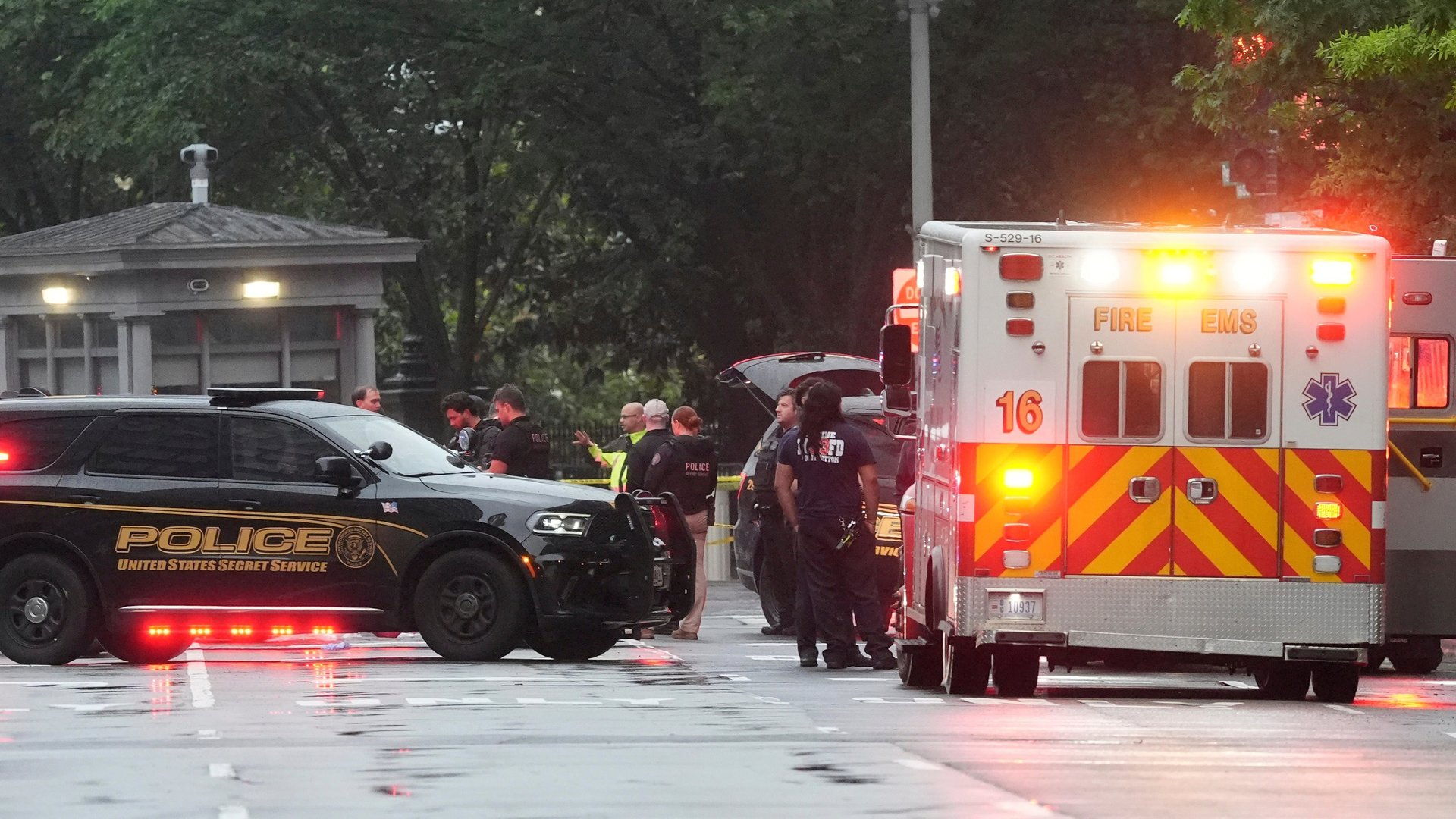
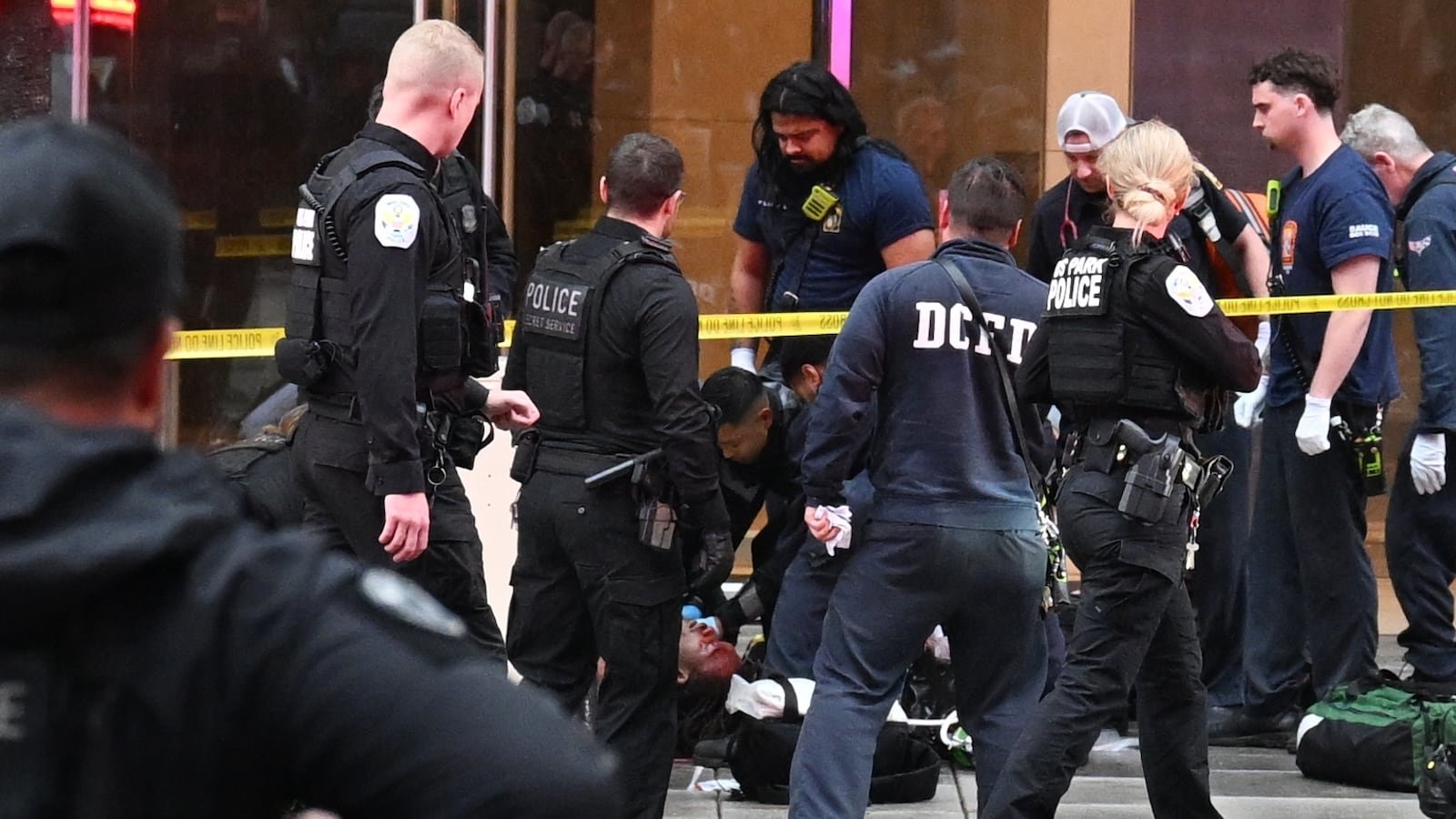
The United States Secret Service, the federal agency responsible for protecting the president and securing the White House complex, shot and killed a suspected gunman after an exchange of fire near a security checkpoint beside the White House on Saturday evening.
What is confirmed is that the confrontation happened near the intersection of 17th Street and Pennsylvania Avenue in Washington, close to the Eisenhower Executive Office Building and within the heavily fortified perimeter surrounding the presidential compound.
Authorities said the suspect approached the checkpoint carrying a bag, removed a firearm and opened fire toward officers stationed at the post.
Secret Service personnel returned fire immediately.
The suspect was critically wounded at the scene and later died at a hospital.
No Secret Service officers were injured during the exchange.
A bystander was also struck by gunfire and hospitalized.
Officials have not publicly concluded whether the injury was caused by shots fired by the suspect or during the return fire from officers.
That question is now part of a formal investigation involving federal and local law enforcement agencies.
President Donald Trump was inside the White House at the time of the shooting.
Officials stated that no protected individuals were harmed and that White House operations were rapidly secured under emergency lockdown procedures.
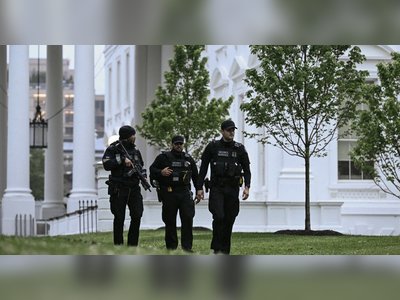
The incident triggered an immediate security response across the presidential complex.
Journalists and staff members on the White House grounds were moved into secure areas while heavily armed officers sealed surrounding streets.
Witnesses described hearing sustained bursts of gunfire in one of the most tightly controlled security zones in the United States.
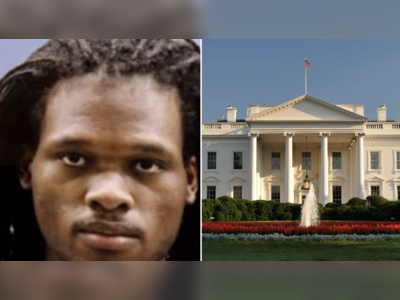
Several law enforcement officials identified the suspected gunman as twenty-one-year-old Nasire Best of Maryland.
Public records and law enforcement statements indicate that he was already known to the Secret Service before Saturday’s attack.
The emerging picture suggests a prolonged pattern of instability and prior contact with federal security personnel.
Court records show that Best had previously been arrested after entering or attempting to enter restricted areas near the White House.
Authorities said he had also been subject to a court-issued stay-away order tied to earlier incidents around the presidential complex.
Multiple reports indicate that he had experienced severe mental health deterioration and had made delusional statements during earlier encounters with police and security officials.
Those accounts include claims that he identified himself as Jesus Christ.
The allegation has not been presented as a motive for the shooting, but investigators are examining his mental condition and prior behavior as part of the case.
The confrontation has renewed attention on a difficult security problem facing the Secret Service and federal law enforcement agencies: how to manage individuals who repeatedly approach sensitive government locations while displaying signs of psychological instability, obsession or escalating volatility.
The White House perimeter is one of the most surveilled and physically protected areas in the country, with layered checkpoints, armed patrols, vehicle barriers and integrated intelligence monitoring.
Yet recent incidents have exposed the limits of even the most sophisticated protective systems when dealing with individuals willing to initiate suicidal or heavily armed confrontations at close range.
Saturday’s shooting did not occur in isolation.
The incident follows several recent security scares and violent episodes connected to or occurring near White House operations during Trump’s presidency.
Those events have placed increasing pressure on the Secret Service to harden perimeter security while maintaining public accessibility around central Washington.
The key issue is not whether the Secret Service stopped the attacker.
Officials and security analysts broadly view the agency’s tactical response as rapid and effective.
The deeper issue is how an individual already known to authorities, already under restrictions and allegedly displaying escalating warning signs was still able to approach a high-security federal checkpoint while armed.
That question intersects with broader failures in the American mental health and threat-assessment system.
Federal agencies routinely monitor thousands of individuals who trigger concern through threats, erratic conduct or prior confrontations.
Most never become violent.
Some do.
Distinguishing between the two remains one of the most difficult challenges in protective intelligence work.
The incident also highlights the changing operational environment surrounding presidential security.
Since the assassination attempt against Trump during the 2024 campaign, security services have faced a sustained increase in politically charged threats, armed confrontations and attempted breaches tied to extremism, personal grievance, psychological instability and online radicalization.
Federal investigators are now reconstructing the timeline leading up to the shooting, including how the suspect traveled to the area, whether he acted alone and what prior warnings may have existed before the attack.
Authorities are also reviewing surveillance footage, ballistic evidence and officer body-camera material.
The immediate operational consequence is already visible.
Security around the White House complex has been further tightened, and federal agencies are expected to intensify reviews of threat-monitoring procedures involving individuals with repeated prior contact near protected government sites.
What is confirmed is that the confrontation happened near the intersection of 17th Street and Pennsylvania Avenue in Washington, close to the Eisenhower Executive Office Building and within the heavily fortified perimeter surrounding the presidential compound.
Authorities said the suspect approached the checkpoint carrying a bag, removed a firearm and opened fire toward officers stationed at the post.
Secret Service personnel returned fire immediately.
The suspect was critically wounded at the scene and later died at a hospital.
No Secret Service officers were injured during the exchange.
A bystander was also struck by gunfire and hospitalized.
Officials have not publicly concluded whether the injury was caused by shots fired by the suspect or during the return fire from officers.
That question is now part of a formal investigation involving federal and local law enforcement agencies.
President Donald Trump was inside the White House at the time of the shooting.
Officials stated that no protected individuals were harmed and that White House operations were rapidly secured under emergency lockdown procedures.
The incident triggered an immediate security response across the presidential complex.
Journalists and staff members on the White House grounds were moved into secure areas while heavily armed officers sealed surrounding streets.
Witnesses described hearing sustained bursts of gunfire in one of the most tightly controlled security zones in the United States.
Several law enforcement officials identified the suspected gunman as twenty-one-year-old Nasire Best of Maryland.
Public records and law enforcement statements indicate that he was already known to the Secret Service before Saturday’s attack.
The emerging picture suggests a prolonged pattern of instability and prior contact with federal security personnel.
Court records show that Best had previously been arrested after entering or attempting to enter restricted areas near the White House.
Authorities said he had also been subject to a court-issued stay-away order tied to earlier incidents around the presidential complex.
Multiple reports indicate that he had experienced severe mental health deterioration and had made delusional statements during earlier encounters with police and security officials.
Those accounts include claims that he identified himself as Jesus Christ.
The allegation has not been presented as a motive for the shooting, but investigators are examining his mental condition and prior behavior as part of the case.
The confrontation has renewed attention on a difficult security problem facing the Secret Service and federal law enforcement agencies: how to manage individuals who repeatedly approach sensitive government locations while displaying signs of psychological instability, obsession or escalating volatility.
The White House perimeter is one of the most surveilled and physically protected areas in the country, with layered checkpoints, armed patrols, vehicle barriers and integrated intelligence monitoring.
Yet recent incidents have exposed the limits of even the most sophisticated protective systems when dealing with individuals willing to initiate suicidal or heavily armed confrontations at close range.
Saturday’s shooting did not occur in isolation.
The incident follows several recent security scares and violent episodes connected to or occurring near White House operations during Trump’s presidency.
Those events have placed increasing pressure on the Secret Service to harden perimeter security while maintaining public accessibility around central Washington.
The key issue is not whether the Secret Service stopped the attacker.
Officials and security analysts broadly view the agency’s tactical response as rapid and effective.
The deeper issue is how an individual already known to authorities, already under restrictions and allegedly displaying escalating warning signs was still able to approach a high-security federal checkpoint while armed.
That question intersects with broader failures in the American mental health and threat-assessment system.
Federal agencies routinely monitor thousands of individuals who trigger concern through threats, erratic conduct or prior confrontations.
Most never become violent.
Some do.
Distinguishing between the two remains one of the most difficult challenges in protective intelligence work.
The incident also highlights the changing operational environment surrounding presidential security.
Since the assassination attempt against Trump during the 2024 campaign, security services have faced a sustained increase in politically charged threats, armed confrontations and attempted breaches tied to extremism, personal grievance, psychological instability and online radicalization.
Federal investigators are now reconstructing the timeline leading up to the shooting, including how the suspect traveled to the area, whether he acted alone and what prior warnings may have existed before the attack.
Authorities are also reviewing surveillance footage, ballistic evidence and officer body-camera material.
The immediate operational consequence is already visible.
Security around the White House complex has been further tightened, and federal agencies are expected to intensify reviews of threat-monitoring procedures involving individuals with repeated prior contact near protected government sites.
AI Disclaimer: An advanced artificial intelligence (AI) system generated the content of this page on its own. This innovative technology conducts extensive research from a variety of reliable sources, performs rigorous fact-checking and verification, cleans up and balances biased or manipulated content, and presents a minimal factual summary that is just enough yet essential for you to function as an informed and educated citizen. Please keep in mind, however, that this system is an evolving technology, and as a result, the article may contain accidental inaccuracies or errors. We urge you to help us improve our site by reporting any inaccuracies you find using the "Contact Us" link at the bottom of this page. Your helpful feedback helps us improve our system and deliver more precise content. When you find an article of interest here, please look for the full and extensive coverage of this topic in traditional news sources, as they are written by professional journalists that we try to support, not replace. We appreciate your understanding and assistance.