Iran War Day 58: Diplomatic Collapse Deepens as US-Iran Talks Stall and Regional Pressure Mounts
With negotiations frozen, US envoy travel canceled, and Iran insisting on preconditions, the conflict shifts from fragile diplomacy back toward strategic confrontation across the Middle East
The Iran war has entered a phase defined by diplomatic breakdown rather than battlefield escalation alone, as US–Iran negotiations stall on day fifty-eight of the conflict and both sides harden their positions over mediation channels that had briefly shown signs of progress.
What is confirmed is that the United States canceled a planned diplomatic mission to Pakistan involving special envoy Steve Witkoff and senior adviser Jared Kushner, which had been intended to advance indirect negotiations with Iranian officials.
The cancellation came after Washington concluded that the Iranian proposals under discussion were insufficient and that logistical and political constraints made the trip unjustifiable.
This move effectively paused one of the last active diplomatic tracks between the two governments.
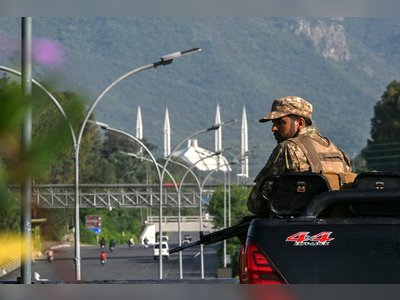
Pakistan had been acting as a key intermediary, hosting Iranian Foreign Minister Abbas Araghchi for discussions with regional partners while facilitating indirect communication with US officials.
That role briefly created momentum toward a framework for de-escalation.
However, recent developments show that this channel has not produced agreement, and in some cases, even basic alignment on the format of talks has broken down.
Iran’s position has remained consistent in rejecting negotiations conducted under military pressure or sanctions enforcement conditions.
Iranian officials have insisted that discussions cannot proceed while what they describe as a blockade on Iranian ports remains in place.
They have also rejected the idea of direct negotiations under current circumstances, preferring mediated engagement through third countries.
This stance has narrowed the diplomatic space available to negotiators.
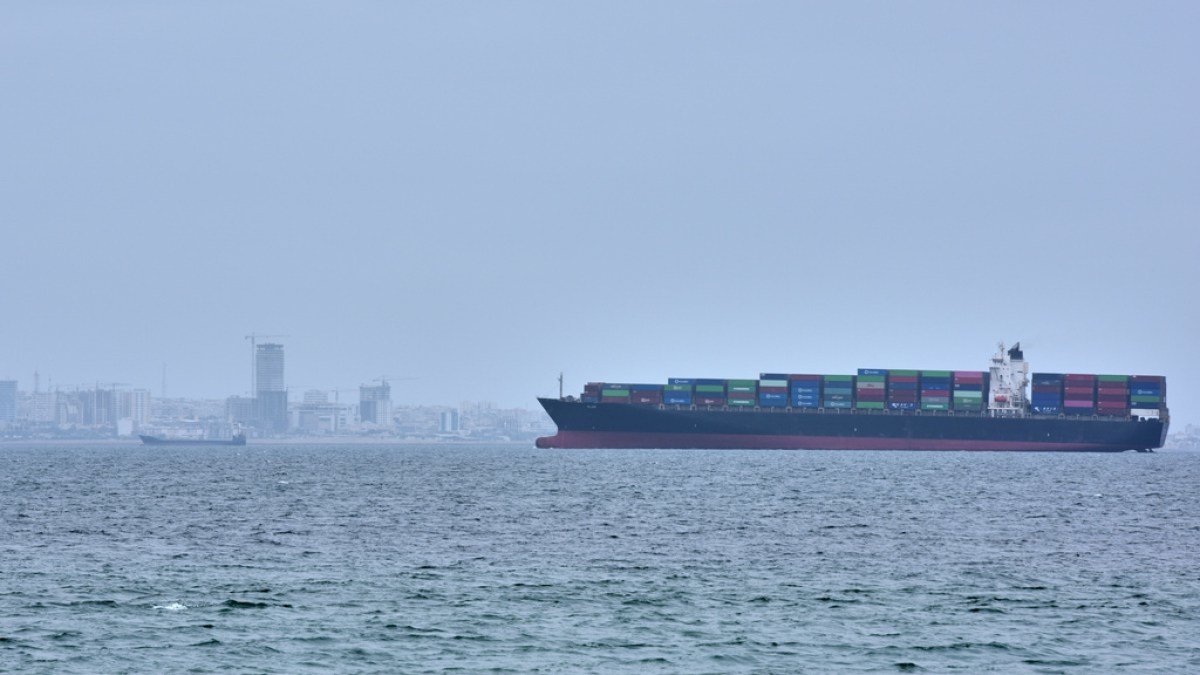
The United States, meanwhile, has paired diplomatic outreach with intensified economic and maritime pressure, including sanctions targeting shipping networks linked to Iranian oil exports and interdiction operations against vessels alleged to be part of a so-called shadow fleet.
These measures are designed to restrict Iran’s ability to move energy exports through international waters, particularly around the Strait of Hormuz, a critical global shipping chokepoint.
At the same time, military and geopolitical pressure has expanded beyond diplomacy.
The conflict has contributed to instability across adjacent theaters, including Lebanon, where Israeli military activity against Hezbollah-linked targets continues to test fragile ceasefire arrangements.
Energy markets remain sensitive to disruptions in maritime routes, with global prices elevated due to perceived risks to supply chains.
On the diplomatic front, the breakdown is not the result of a single event but of accumulated failures.
Previous rounds of talks in Islamabad did not produce agreement on core issues including Iran’s nuclear program, sanctions relief, and maritime security guarantees.
Each side has accused the other of bad faith, with Iran pointing to coercive pressure tactics and the United States citing lack of credible commitments.
The immediate consequence of the stalled talks is the reversion to a containment-based strategy on both sides.
For Washington, this means continued sanctions enforcement and reliance on regional partners to maintain pressure.
For Tehran, it means reinforcing alternative diplomatic channels and sustaining its negotiating position without concessions under current conditions.
With no new meeting scheduled and mediation efforts losing momentum, the conflict has shifted into a phase where diplomatic engagement continues in form but not in substance, leaving military deterrence, economic pressure, and regional alignments as the primary forces shaping the trajectory of the war.
What is confirmed is that the United States canceled a planned diplomatic mission to Pakistan involving special envoy Steve Witkoff and senior adviser Jared Kushner, which had been intended to advance indirect negotiations with Iranian officials.
The cancellation came after Washington concluded that the Iranian proposals under discussion were insufficient and that logistical and political constraints made the trip unjustifiable.
This move effectively paused one of the last active diplomatic tracks between the two governments.
Pakistan had been acting as a key intermediary, hosting Iranian Foreign Minister Abbas Araghchi for discussions with regional partners while facilitating indirect communication with US officials.
That role briefly created momentum toward a framework for de-escalation.
However, recent developments show that this channel has not produced agreement, and in some cases, even basic alignment on the format of talks has broken down.
Iran’s position has remained consistent in rejecting negotiations conducted under military pressure or sanctions enforcement conditions.
Iranian officials have insisted that discussions cannot proceed while what they describe as a blockade on Iranian ports remains in place.
They have also rejected the idea of direct negotiations under current circumstances, preferring mediated engagement through third countries.
This stance has narrowed the diplomatic space available to negotiators.
The United States, meanwhile, has paired diplomatic outreach with intensified economic and maritime pressure, including sanctions targeting shipping networks linked to Iranian oil exports and interdiction operations against vessels alleged to be part of a so-called shadow fleet.
These measures are designed to restrict Iran’s ability to move energy exports through international waters, particularly around the Strait of Hormuz, a critical global shipping chokepoint.
At the same time, military and geopolitical pressure has expanded beyond diplomacy.
The conflict has contributed to instability across adjacent theaters, including Lebanon, where Israeli military activity against Hezbollah-linked targets continues to test fragile ceasefire arrangements.
Energy markets remain sensitive to disruptions in maritime routes, with global prices elevated due to perceived risks to supply chains.
On the diplomatic front, the breakdown is not the result of a single event but of accumulated failures.
Previous rounds of talks in Islamabad did not produce agreement on core issues including Iran’s nuclear program, sanctions relief, and maritime security guarantees.
Each side has accused the other of bad faith, with Iran pointing to coercive pressure tactics and the United States citing lack of credible commitments.
The immediate consequence of the stalled talks is the reversion to a containment-based strategy on both sides.
For Washington, this means continued sanctions enforcement and reliance on regional partners to maintain pressure.
For Tehran, it means reinforcing alternative diplomatic channels and sustaining its negotiating position without concessions under current conditions.
With no new meeting scheduled and mediation efforts losing momentum, the conflict has shifted into a phase where diplomatic engagement continues in form but not in substance, leaving military deterrence, economic pressure, and regional alignments as the primary forces shaping the trajectory of the war.
AI Disclaimer: An advanced artificial intelligence (AI) system generated the content of this page on its own. This innovative technology conducts extensive research from a variety of reliable sources, performs rigorous fact-checking and verification, cleans up and balances biased or manipulated content, and presents a minimal factual summary that is just enough yet essential for you to function as an informed and educated citizen. Please keep in mind, however, that this system is an evolving technology, and as a result, the article may contain accidental inaccuracies or errors. We urge you to help us improve our site by reporting any inaccuracies you find using the "Contact Us" link at the bottom of this page. Your helpful feedback helps us improve our system and deliver more precise content. When you find an article of interest here, please look for the full and extensive coverage of this topic in traditional news sources, as they are written by professional journalists that we try to support, not replace. We appreciate your understanding and assistance.