Kevin Warsh Takes Over Federal Reserve as Inflation Surge Tests Trump’s Economic Agenda
The new Fed chair enters office under intense political and market pressure as inflation accelerates, energy prices climb and questions over central-bank independence return to the center of U.S. economic policy.
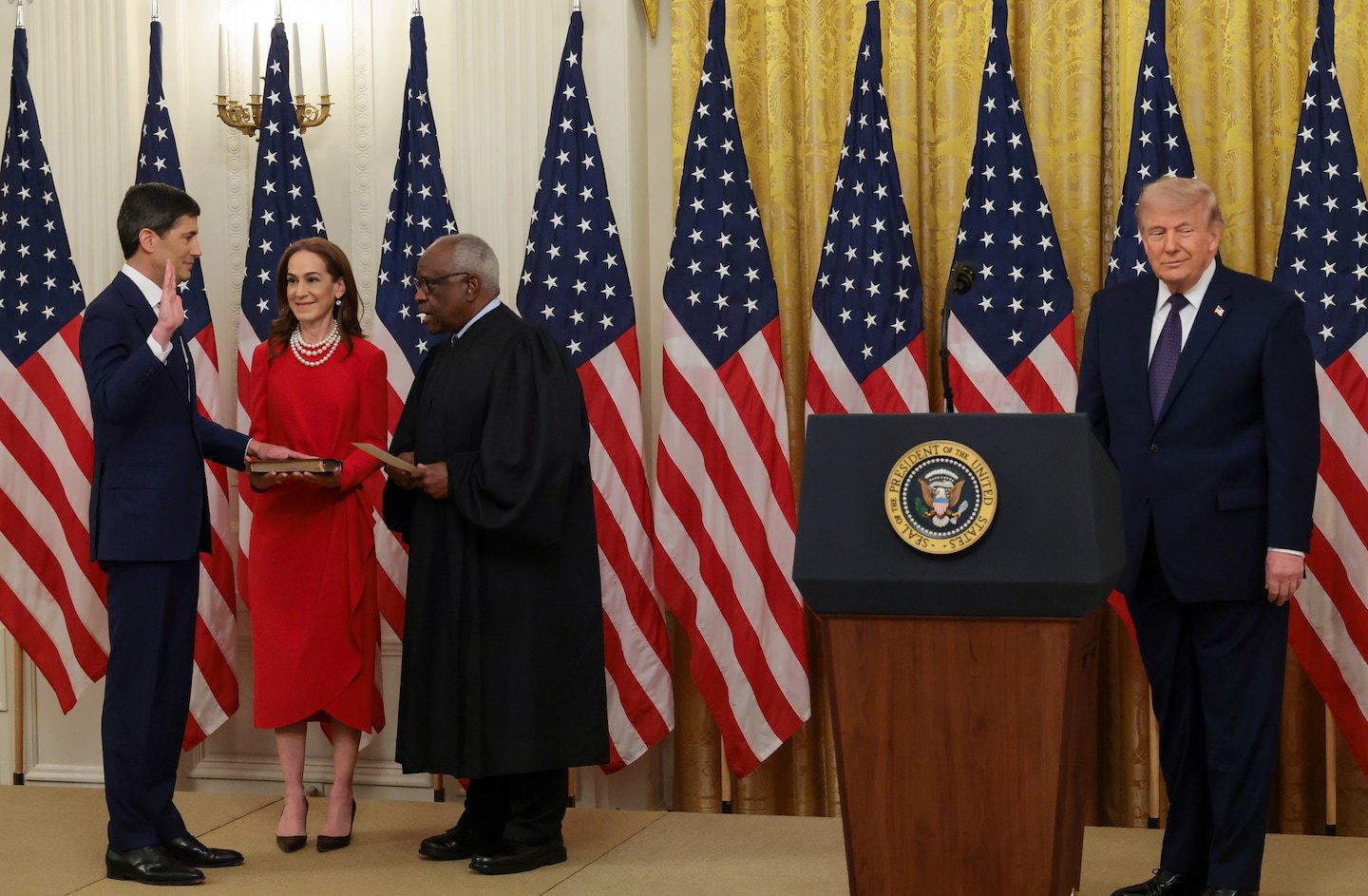
The Federal Reserve, the institution responsible for managing U.S. interest rates and controlling inflation, entered a new phase Friday when Kevin Warsh was sworn in as chair at the White House amid a sharp resurgence in inflation and growing political pressure from President Donald Trump’s administration.
Warsh, a former Federal Reserve governor and investment banker, replaces Jerome Powell after one of the most politically contentious transitions in modern central-bank history.
His arrival comes as inflation has accelerated well above the Fed’s long-standing two percent target, fueled by rising energy prices, geopolitical instability tied to the conflict involving Iran, elevated borrowing costs and persistent supply pressures across major sectors of the economy.
The ceremony itself carried unusual symbolism.
Federal Reserve chairs are typically sworn in quietly at the central bank’s headquarters.
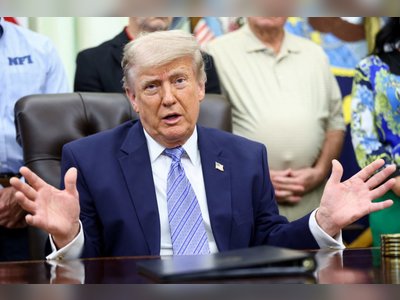
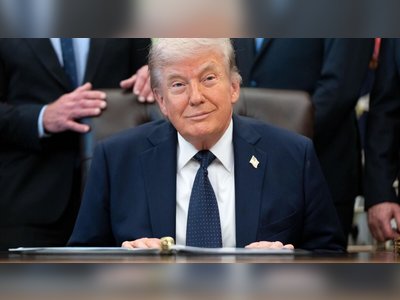
Holding the event at the White House, with Trump presiding and Supreme Court Justice Clarence Thomas administering the oath, underscored how central monetary policy has become to the administration’s broader political strategy.
Trump spent months publicly criticizing Powell for refusing to cut interest rates aggressively enough.
The president argued that lower rates would stimulate growth, support markets and reduce pressure on consumers facing high borrowing costs.
Powell resisted those demands, insisting that inflation control required maintaining restrictive policy settings.
The conflict turned the Federal Reserve into a recurring political battleground.
Warsh now inherits that same dilemma, but under more difficult economic conditions.
Inflation has accelerated while consumer confidence has weakened and financial markets have become more volatile.
Mortgage rates have climbed, fuel prices have risen sharply and investors increasingly fear that inflation may become structurally embedded rather than temporary.
The key issue is that the Federal Reserve has limited room to maneuver.
Cutting rates too quickly risks worsening inflation.
Raising rates further could slow growth, weaken hiring and intensify political backlash from both businesses and consumers.
That tension defines the early stage of Warsh’s tenure.
What is confirmed is that Warsh has signaled a more reform-oriented approach to the central bank.
In his first remarks after taking office, he emphasized price stability, institutional credibility and accountability.
He has previously criticized some of the Fed’s pandemic-era policies, particularly large-scale asset purchases and prolonged ultra-low interest rates, arguing that they contributed to inflationary pressures that later became difficult to control.
Financial markets are now attempting to determine whether Warsh will govern as a conventional inflation-focused central banker or align more closely with the White House’s preference for easier monetary policy.
That uncertainty matters globally because the Federal Reserve influences borrowing costs, currencies, government debt markets and capital flows worldwide.
The leadership transition also revives concerns about Federal Reserve independence.
The institution was designed to operate at arm’s length from political power precisely because elected leaders often favor short-term economic stimulus before elections, even when inflation risks are rising.
Economists across ideological lines generally view central-bank independence as critical to maintaining confidence in the financial system.
Trump publicly stated during the ceremony that he wants Warsh to operate independently.
At the same time, the president made clear he expects economic growth to remain a priority.
That balancing act may become increasingly difficult if inflation continues climbing while public dissatisfaction with living costs intensifies.
The political backdrop adds further pressure.
Polling in recent weeks has shown deteriorating voter confidence in the economy, with inflation and affordability emerging again as dominant concerns.
Rising gasoline prices and higher consumer costs have become especially sensitive issues for households already strained by elevated housing and credit expenses.
Warsh’s confirmation itself reflected the polarized environment surrounding economic policy.
The Senate approved him largely along party lines, making his appointment one of the most politically divided Federal Reserve confirmations in decades.
Supporters argue he brings market experience and urgency to inflation control.
Critics worry his close association with Trump could weaken confidence in the Fed’s independence.
Another unusual factor is Powell’s continued presence at the Federal Reserve board after leaving the chairmanship.
That arrangement is rare and reflects the turbulent nature of the transition.
It also creates an internal dynamic in which the former chair remains inside the institution while his successor attempts to establish authority during a period of economic stress.
Investors are now focused on the Federal Open Market Committee meeting scheduled for mid-June, which will provide the first concrete indication of Warsh’s policy direction.
Markets are increasingly pricing in the possibility that interest rates could remain elevated for longer than previously expected, and some analysts are again discussing the prospect of additional rate increases if inflation worsens.
The stakes extend far beyond Wall Street.
Federal Reserve policy directly affects mortgages, car loans, business investment, government borrowing and retirement savings.
If inflation remains high, households face declining purchasing power.
If rates rise sharply, unemployment risks increase and economic growth can slow abruptly.
Warsh’s first months in office will therefore serve as an early test of whether the United States can contain inflation without triggering a broader economic downturn.
The immediate consequence is clear: the world’s most influential central bank has entered a more openly political and economically volatile era, with interest-rate decisions now carrying even greater consequences for both American households and global markets.
Warsh, a former Federal Reserve governor and investment banker, replaces Jerome Powell after one of the most politically contentious transitions in modern central-bank history.
His arrival comes as inflation has accelerated well above the Fed’s long-standing two percent target, fueled by rising energy prices, geopolitical instability tied to the conflict involving Iran, elevated borrowing costs and persistent supply pressures across major sectors of the economy.
The ceremony itself carried unusual symbolism.
Federal Reserve chairs are typically sworn in quietly at the central bank’s headquarters.
Holding the event at the White House, with Trump presiding and Supreme Court Justice Clarence Thomas administering the oath, underscored how central monetary policy has become to the administration’s broader political strategy.
Trump spent months publicly criticizing Powell for refusing to cut interest rates aggressively enough.
The president argued that lower rates would stimulate growth, support markets and reduce pressure on consumers facing high borrowing costs.
Powell resisted those demands, insisting that inflation control required maintaining restrictive policy settings.
The conflict turned the Federal Reserve into a recurring political battleground.
Warsh now inherits that same dilemma, but under more difficult economic conditions.
Inflation has accelerated while consumer confidence has weakened and financial markets have become more volatile.
Mortgage rates have climbed, fuel prices have risen sharply and investors increasingly fear that inflation may become structurally embedded rather than temporary.
The key issue is that the Federal Reserve has limited room to maneuver.
Cutting rates too quickly risks worsening inflation.
Raising rates further could slow growth, weaken hiring and intensify political backlash from both businesses and consumers.
That tension defines the early stage of Warsh’s tenure.
What is confirmed is that Warsh has signaled a more reform-oriented approach to the central bank.
In his first remarks after taking office, he emphasized price stability, institutional credibility and accountability.
He has previously criticized some of the Fed’s pandemic-era policies, particularly large-scale asset purchases and prolonged ultra-low interest rates, arguing that they contributed to inflationary pressures that later became difficult to control.
Financial markets are now attempting to determine whether Warsh will govern as a conventional inflation-focused central banker or align more closely with the White House’s preference for easier monetary policy.
That uncertainty matters globally because the Federal Reserve influences borrowing costs, currencies, government debt markets and capital flows worldwide.
The leadership transition also revives concerns about Federal Reserve independence.
The institution was designed to operate at arm’s length from political power precisely because elected leaders often favor short-term economic stimulus before elections, even when inflation risks are rising.
Economists across ideological lines generally view central-bank independence as critical to maintaining confidence in the financial system.
Trump publicly stated during the ceremony that he wants Warsh to operate independently.
At the same time, the president made clear he expects economic growth to remain a priority.
That balancing act may become increasingly difficult if inflation continues climbing while public dissatisfaction with living costs intensifies.
The political backdrop adds further pressure.
Polling in recent weeks has shown deteriorating voter confidence in the economy, with inflation and affordability emerging again as dominant concerns.
Rising gasoline prices and higher consumer costs have become especially sensitive issues for households already strained by elevated housing and credit expenses.
Warsh’s confirmation itself reflected the polarized environment surrounding economic policy.
The Senate approved him largely along party lines, making his appointment one of the most politically divided Federal Reserve confirmations in decades.
Supporters argue he brings market experience and urgency to inflation control.
Critics worry his close association with Trump could weaken confidence in the Fed’s independence.
Another unusual factor is Powell’s continued presence at the Federal Reserve board after leaving the chairmanship.
That arrangement is rare and reflects the turbulent nature of the transition.
It also creates an internal dynamic in which the former chair remains inside the institution while his successor attempts to establish authority during a period of economic stress.
Investors are now focused on the Federal Open Market Committee meeting scheduled for mid-June, which will provide the first concrete indication of Warsh’s policy direction.
Markets are increasingly pricing in the possibility that interest rates could remain elevated for longer than previously expected, and some analysts are again discussing the prospect of additional rate increases if inflation worsens.
The stakes extend far beyond Wall Street.
Federal Reserve policy directly affects mortgages, car loans, business investment, government borrowing and retirement savings.
If inflation remains high, households face declining purchasing power.
If rates rise sharply, unemployment risks increase and economic growth can slow abruptly.
Warsh’s first months in office will therefore serve as an early test of whether the United States can contain inflation without triggering a broader economic downturn.
The immediate consequence is clear: the world’s most influential central bank has entered a more openly political and economically volatile era, with interest-rate decisions now carrying even greater consequences for both American households and global markets.
AI Disclaimer: An advanced artificial intelligence (AI) system generated the content of this page on its own. This innovative technology conducts extensive research from a variety of reliable sources, performs rigorous fact-checking and verification, cleans up and balances biased or manipulated content, and presents a minimal factual summary that is just enough yet essential for you to function as an informed and educated citizen. Please keep in mind, however, that this system is an evolving technology, and as a result, the article may contain accidental inaccuracies or errors. We urge you to help us improve our site by reporting any inaccuracies you find using the "Contact Us" link at the bottom of this page. Your helpful feedback helps us improve our system and deliver more precise content. When you find an article of interest here, please look for the full and extensive coverage of this topic in traditional news sources, as they are written by professional journalists that we try to support, not replace. We appreciate your understanding and assistance.