Trump Tower Gold Coast Collapse Exposes the Limits of the Trump Brand Abroad
Australia’s planned billion-dollar Trump skyscraper unraveled within months amid a dispute over financing, political backlash, and growing resistance to the Trump name in international luxury markets.
The collapse of the planned Trump International Hotel and Tower on Australia’s Gold Coast was fundamentally driven by the Trump brand itself becoming commercially and politically contentious in a foreign market where luxury real estate depends heavily on reputation, investor confidence, and local approval.
The abandoned project reveals how deeply political polarization and geopolitical conflict are now shaping international business partnerships tied to Donald Trump’s name.
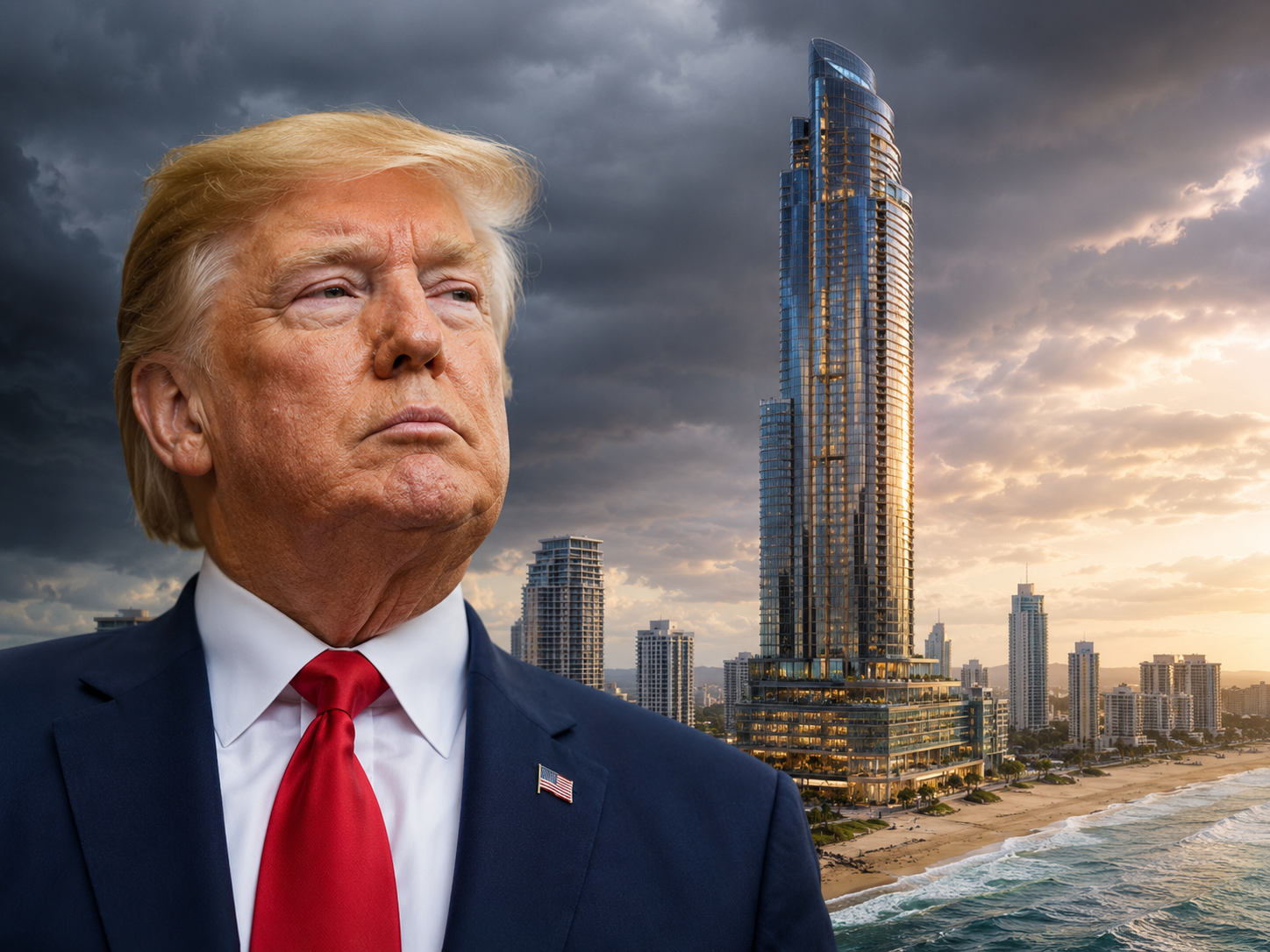
The proposed development was announced in February as a ninety-one-storey luxury tower in Surfers Paradise, Queensland.
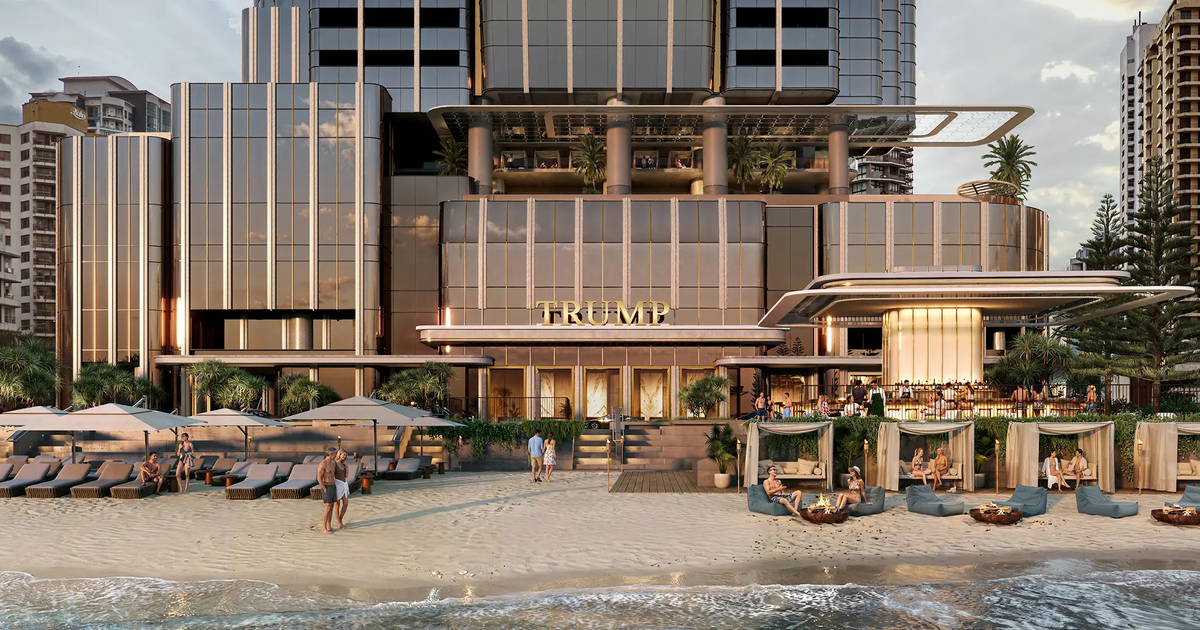
It was marketed as Australia’s future tallest building and included plans for a high-end hotel, branded residences, retail space, restaurants, a beach club, and luxury amenities aimed at wealthy international buyers.
The project carried an estimated value of roughly one-point-five billion Australian dollars.
Less than three months later, the partnership collapsed publicly and bitterly.
Australian developer Altus Property Group, led by David Young, said the Trump brand had become "toxic" in Australia, particularly after escalating conflict involving Iran and broader international backlash surrounding the Trump administration.
Young argued that the political climate had made the branding commercially damaging rather than commercially valuable.
The Trump Organization rejected that explanation outright.
Its representatives accused Altus of failing to meet contractual and financial obligations required under the licensing agreement.
Trump executives said the developer repeatedly failed to deliver promised commitments and portrayed the references to global events as an excuse for financial shortcomings.
What is confirmed is that the Trump Organization removed the project from its official materials and the dedicated promotional website disappeared shortly afterward.
Altus simultaneously stated it would continue pursuing the tower without the Trump name and was already speaking with alternative luxury hospitality brands.
The dispute matters because the Trump Organization’s international business model relies heavily on licensing rather than direct ownership.
In many overseas developments, local developers finance and build projects while paying for the Trump name, branding, marketing, and management association.
That structure makes the perceived value of the brand itself the central commercial asset.
Once the branding becomes politically divisive or commercially risky, the economics of the arrangement can unravel quickly.
The Gold Coast project exposed that vulnerability in unusually public fashion.
The development had already generated substantial resistance before the partnership collapsed.
More than one hundred forty thousand people signed petitions opposing the project.
Critics argued the Trump association conflicted with local values and would import American political division into a major Australian tourist destination.
Others objected to the symbolism of attaching Trump branding to a landmark skyscraper during a period of heightened global instability.
The controversy also reflected broader Australian political sentiment.
Donald Trump remains deeply polarizing in Australia, where public opinion has often been significantly less favorable than in the United States.
Analysts noted that luxury real estate branding depends not only on wealth and prestige but also on social acceptance among affluent buyers, investors, hospitality partners, and local governments.
At the same time, questions emerged about the underlying viability of the project itself.
Gold Coast Mayor Tom Tate indicated no formal development application had been submitted before the deal fell apart.
Urban development specialists in Australia pointed out that the Gold Coast has a long history of ambitious megaproject announcements that later fail because of financing gaps, construction costs, or regulatory barriers.
That background matters because it complicates competing claims about why the project collapsed.
Altus blamed reputational toxicity tied to Trump.
The Trump Organization blamed Altus finances.
Local officials suggested profit-sharing disputes may also have played a role.
Those explanations are not mutually exclusive.
In high-risk property developments, financing, branding, investor appetite, and political controversy often become intertwined.
The timing also amplified the damage.
The project had been heavily promoted by Eric Trump earlier this year as a major international expansion of the Trump luxury property portfolio.
Promotional imagery portrayed the tower as a symbol of ultra-premium beachfront development and global prestige.
Its rapid implosion instead turned into a public demonstration of how politically charged the Trump name has become outside core domestic support bases.
The failed Australian project arrives during a period when Trump-branded businesses abroad face a more complex international environment than during Trump’s earlier business expansion years.
In some regions, the brand still carries strong appeal among conservative political audiences and certain luxury buyers.
In others, it increasingly introduces reputational risk for developers, lenders, tourism operators, and local authorities.
The Iran conflict became a focal point because Young explicitly linked the deterioration of the partnership to rising international hostility surrounding the war and broader geopolitical tensions connected to the Trump presidency.
The allegation has not been independently proven as the sole reason for the collapse, but it became central to the public narrative because the developer himself framed it that way.
The episode also demonstrated how political identity now directly affects real estate economics.
Modern luxury towers depend on international capital flows, pre-sales, institutional financing, tourism branding, and long-term investor confidence.
A politically divisive brand can affect all of those simultaneously, especially in markets where buyers view association with a political figure as a liability rather than a status symbol.
Despite the breakup, Altus insists the tower project itself remains alive and may proceed under a different international luxury brand.
The Trump Organization has also stated it remains interested in future Australian opportunities.
But the Gold Coast collapse has already become a highly visible test case for whether Trump-branded international developments can still expand successfully in politically skeptical foreign markets.
For now, the immediate result is concrete: Australia’s first planned Trump Tower is dead, the branding partnership has dissolved, and the proposed skyscraper will move forward only if developers can secure financing and market support without the Trump name attached.
The abandoned project reveals how deeply political polarization and geopolitical conflict are now shaping international business partnerships tied to Donald Trump’s name.
The proposed development was announced in February as a ninety-one-storey luxury tower in Surfers Paradise, Queensland.
It was marketed as Australia’s future tallest building and included plans for a high-end hotel, branded residences, retail space, restaurants, a beach club, and luxury amenities aimed at wealthy international buyers.
The project carried an estimated value of roughly one-point-five billion Australian dollars.
Less than three months later, the partnership collapsed publicly and bitterly.
Australian developer Altus Property Group, led by David Young, said the Trump brand had become "toxic" in Australia, particularly after escalating conflict involving Iran and broader international backlash surrounding the Trump administration.
Young argued that the political climate had made the branding commercially damaging rather than commercially valuable.
The Trump Organization rejected that explanation outright.
Its representatives accused Altus of failing to meet contractual and financial obligations required under the licensing agreement.
Trump executives said the developer repeatedly failed to deliver promised commitments and portrayed the references to global events as an excuse for financial shortcomings.
What is confirmed is that the Trump Organization removed the project from its official materials and the dedicated promotional website disappeared shortly afterward.
Altus simultaneously stated it would continue pursuing the tower without the Trump name and was already speaking with alternative luxury hospitality brands.
The dispute matters because the Trump Organization’s international business model relies heavily on licensing rather than direct ownership.
In many overseas developments, local developers finance and build projects while paying for the Trump name, branding, marketing, and management association.
That structure makes the perceived value of the brand itself the central commercial asset.
Once the branding becomes politically divisive or commercially risky, the economics of the arrangement can unravel quickly.
The Gold Coast project exposed that vulnerability in unusually public fashion.
The development had already generated substantial resistance before the partnership collapsed.
More than one hundred forty thousand people signed petitions opposing the project.
Critics argued the Trump association conflicted with local values and would import American political division into a major Australian tourist destination.
Others objected to the symbolism of attaching Trump branding to a landmark skyscraper during a period of heightened global instability.
The controversy also reflected broader Australian political sentiment.
Donald Trump remains deeply polarizing in Australia, where public opinion has often been significantly less favorable than in the United States.
Analysts noted that luxury real estate branding depends not only on wealth and prestige but also on social acceptance among affluent buyers, investors, hospitality partners, and local governments.
At the same time, questions emerged about the underlying viability of the project itself.
Gold Coast Mayor Tom Tate indicated no formal development application had been submitted before the deal fell apart.
Urban development specialists in Australia pointed out that the Gold Coast has a long history of ambitious megaproject announcements that later fail because of financing gaps, construction costs, or regulatory barriers.
That background matters because it complicates competing claims about why the project collapsed.
Altus blamed reputational toxicity tied to Trump.
The Trump Organization blamed Altus finances.
Local officials suggested profit-sharing disputes may also have played a role.
Those explanations are not mutually exclusive.
In high-risk property developments, financing, branding, investor appetite, and political controversy often become intertwined.
The timing also amplified the damage.
The project had been heavily promoted by Eric Trump earlier this year as a major international expansion of the Trump luxury property portfolio.
Promotional imagery portrayed the tower as a symbol of ultra-premium beachfront development and global prestige.
Its rapid implosion instead turned into a public demonstration of how politically charged the Trump name has become outside core domestic support bases.
The failed Australian project arrives during a period when Trump-branded businesses abroad face a more complex international environment than during Trump’s earlier business expansion years.
In some regions, the brand still carries strong appeal among conservative political audiences and certain luxury buyers.
In others, it increasingly introduces reputational risk for developers, lenders, tourism operators, and local authorities.
The Iran conflict became a focal point because Young explicitly linked the deterioration of the partnership to rising international hostility surrounding the war and broader geopolitical tensions connected to the Trump presidency.
The allegation has not been independently proven as the sole reason for the collapse, but it became central to the public narrative because the developer himself framed it that way.
The episode also demonstrated how political identity now directly affects real estate economics.
Modern luxury towers depend on international capital flows, pre-sales, institutional financing, tourism branding, and long-term investor confidence.
A politically divisive brand can affect all of those simultaneously, especially in markets where buyers view association with a political figure as a liability rather than a status symbol.
Despite the breakup, Altus insists the tower project itself remains alive and may proceed under a different international luxury brand.
The Trump Organization has also stated it remains interested in future Australian opportunities.
But the Gold Coast collapse has already become a highly visible test case for whether Trump-branded international developments can still expand successfully in politically skeptical foreign markets.
For now, the immediate result is concrete: Australia’s first planned Trump Tower is dead, the branding partnership has dissolved, and the proposed skyscraper will move forward only if developers can secure financing and market support without the Trump name attached.
AI Disclaimer: An advanced artificial intelligence (AI) system generated the content of this page on its own. This innovative technology conducts extensive research from a variety of reliable sources, performs rigorous fact-checking and verification, cleans up and balances biased or manipulated content, and presents a minimal factual summary that is just enough yet essential for you to function as an informed and educated citizen. Please keep in mind, however, that this system is an evolving technology, and as a result, the article may contain accidental inaccuracies or errors. We urge you to help us improve our site by reporting any inaccuracies you find using the "Contact Us" link at the bottom of this page. Your helpful feedback helps us improve our system and deliver more precise content. When you find an article of interest here, please look for the full and extensive coverage of this topic in traditional news sources, as they are written by professional journalists that we try to support, not replace. We appreciate your understanding and assistance.