U.S. and Iran Push Fragile Hormuz Deal as Energy Markets Bet on De-Escalation
A proposed extension of the U.S.-Iran ceasefire has shifted focus from direct military confrontation to the reopening of the world’s most critical oil shipping corridor.
Diplomacy between the United States and Iran has entered a high-stakes phase centered on the Strait of Hormuz, the narrow maritime corridor through which roughly one-fifth of the world’s oil supply moves.
The core issue is no longer simply whether fighting pauses temporarily, but whether both sides can stabilize a shipping route whose disruption has already shaken global energy markets, maritime insurance systems, and international trade flows.
What is confirmed is that U.S. and Iranian officials have been working through intermediaries on a framework designed to extend the current ceasefire and begin reopening the Strait of Hormuz to commercial shipping.
Multiple officials involved in the negotiations have described the arrangement as incomplete and not yet formally signed.
The proposed framework reportedly includes a sixty-day extension of the truce while broader negotiations continue over sanctions, maritime security, and Iran’s nuclear program.
The Strait of Hormuz became the central pressure point after months of military escalation involving the United States, Israel, and Iran disrupted shipping traffic across the Gulf.
Commercial vessels stalled, insurance premiums surged, and major energy importers in Asia faced growing supply uncertainty.
Several tankers carrying crude oil and liquefied natural gas remained stranded or delayed for weeks as naval tensions escalated around the waterway.
The economic stakes are enormous.
Hormuz connects Gulf producers including Saudi Arabia, Iraq, Qatar, Kuwait, and the United Arab Emirates to global markets.
Even partial disruption immediately affects oil benchmarks, gas prices, freight rates, and refinery planning across Asia, Europe, and North America.
Markets reacted sharply to signs of diplomatic progress, with oil prices falling after indications emerged that shipping access could resume.
The mechanism now under discussion appears designed to separate immediate maritime stabilization from the far more difficult political settlement surrounding Iran’s nuclear activities and regional military posture.
Under the emerging structure, de-mining operations and shipping security measures would begin before a comprehensive political agreement is finalized.
That sequencing matters because commercial shipping companies and insurers require physical security guarantees before resuming normal traffic through the strait.
The United States has maintained naval operations around Hormuz while simultaneously signaling willingness to reduce direct maritime pressure if Iran cooperates.
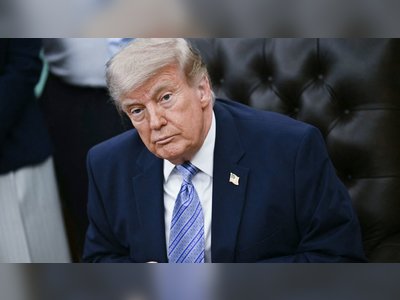
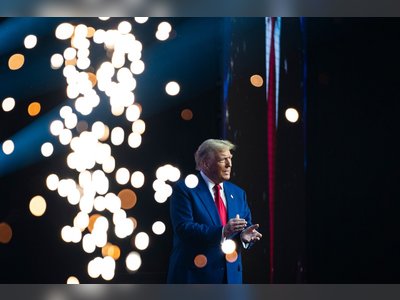
President Donald Trump has publicly stated that negotiations are progressing but not complete.
American officials have also emphasized that sanctions relief and broader normalization would depend on further Iranian concessions related to uranium enrichment and regional security commitments.
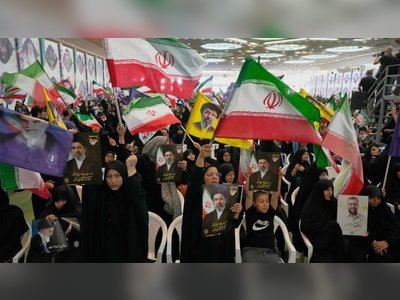
Iran, meanwhile, has adopted a more cautious and internally divided posture.
Iranian officials have acknowledged ongoing discussions but rejected claims that a final agreement is imminent.
Tehran has insisted that any durable arrangement must include limits on military pressure and economic restrictions imposed by Washington.
Iranian leaders have also continued asserting what they describe as a sovereign right to influence maritime management in the strait, reflecting the strategic leverage Hormuz gives Tehran in any negotiation.
The ceasefire itself remains fragile.
Previous periods of reduced hostilities were interrupted by maritime incidents, drone attacks, and accusations of violations from both sides.
American military officials have repeatedly stated that isolated confrontations did not automatically end the truce, but the repeated flare-ups exposed how quickly localized incidents could trigger broader escalation.
Commercial shipping data shows that some energy vessels have recently resumed movement through the region, including tankers bound for China, Pakistan, and India.
That movement is significant because it suggests at least limited confidence among operators that a temporary stabilization process is underway.
Traffic levels, however, remain well below normal pre-conflict volumes.
The wider geopolitical implications extend beyond oil prices.
Gulf states, Asian importers, European governments, and international shipping firms all have a direct interest in preventing a prolonged closure of Hormuz.
China in particular has maintained active diplomatic engagement because of its dependence on Gulf energy supplies and its economic relationship with Tehran.
Pakistan and Oman have also emerged as important intermediaries in discussions between Washington and Tehran.
The negotiations are also reshaping domestic political calculations inside Iran and the United States.
In Washington, the administration is attempting to balance military deterrence with pressure to avoid another prolonged Middle East conflict that could destabilize energy markets ahead of a sensitive economic period.
In Tehran, leaders face economic strain from sanctions, internal dissatisfaction, and the financial consequences of reduced export capacity.
The key issue is that reopening Hormuz requires more than a political announcement.
Mines must be cleared, shipping lanes secured, insurers reassured, and commercial operators convinced that vessels will not become targets.
Even with a formal extension of the ceasefire, maritime recovery is expected to unfold gradually rather than immediately.
What has already changed is the strategic focus of the conflict.
The negotiations have effectively transformed Hormuz from a battlefield into the central bargaining instrument shaping the next phase of U.S.-Iran relations.
Energy markets, shipping firms, and governments are now treating the stability of the strait as the primary indicator of whether the broader regional confrontation is moving toward containment or returning to escalation.
The core issue is no longer simply whether fighting pauses temporarily, but whether both sides can stabilize a shipping route whose disruption has already shaken global energy markets, maritime insurance systems, and international trade flows.
What is confirmed is that U.S. and Iranian officials have been working through intermediaries on a framework designed to extend the current ceasefire and begin reopening the Strait of Hormuz to commercial shipping.
Multiple officials involved in the negotiations have described the arrangement as incomplete and not yet formally signed.
The proposed framework reportedly includes a sixty-day extension of the truce while broader negotiations continue over sanctions, maritime security, and Iran’s nuclear program.
The Strait of Hormuz became the central pressure point after months of military escalation involving the United States, Israel, and Iran disrupted shipping traffic across the Gulf.
Commercial vessels stalled, insurance premiums surged, and major energy importers in Asia faced growing supply uncertainty.
Several tankers carrying crude oil and liquefied natural gas remained stranded or delayed for weeks as naval tensions escalated around the waterway.
The economic stakes are enormous.
Hormuz connects Gulf producers including Saudi Arabia, Iraq, Qatar, Kuwait, and the United Arab Emirates to global markets.
Even partial disruption immediately affects oil benchmarks, gas prices, freight rates, and refinery planning across Asia, Europe, and North America.
Markets reacted sharply to signs of diplomatic progress, with oil prices falling after indications emerged that shipping access could resume.
The mechanism now under discussion appears designed to separate immediate maritime stabilization from the far more difficult political settlement surrounding Iran’s nuclear activities and regional military posture.
Under the emerging structure, de-mining operations and shipping security measures would begin before a comprehensive political agreement is finalized.
That sequencing matters because commercial shipping companies and insurers require physical security guarantees before resuming normal traffic through the strait.
The United States has maintained naval operations around Hormuz while simultaneously signaling willingness to reduce direct maritime pressure if Iran cooperates.
President Donald Trump has publicly stated that negotiations are progressing but not complete.
American officials have also emphasized that sanctions relief and broader normalization would depend on further Iranian concessions related to uranium enrichment and regional security commitments.
Iran, meanwhile, has adopted a more cautious and internally divided posture.
Iranian officials have acknowledged ongoing discussions but rejected claims that a final agreement is imminent.
Tehran has insisted that any durable arrangement must include limits on military pressure and economic restrictions imposed by Washington.
Iranian leaders have also continued asserting what they describe as a sovereign right to influence maritime management in the strait, reflecting the strategic leverage Hormuz gives Tehran in any negotiation.
The ceasefire itself remains fragile.
Previous periods of reduced hostilities were interrupted by maritime incidents, drone attacks, and accusations of violations from both sides.
American military officials have repeatedly stated that isolated confrontations did not automatically end the truce, but the repeated flare-ups exposed how quickly localized incidents could trigger broader escalation.
Commercial shipping data shows that some energy vessels have recently resumed movement through the region, including tankers bound for China, Pakistan, and India.
That movement is significant because it suggests at least limited confidence among operators that a temporary stabilization process is underway.
Traffic levels, however, remain well below normal pre-conflict volumes.
The wider geopolitical implications extend beyond oil prices.
Gulf states, Asian importers, European governments, and international shipping firms all have a direct interest in preventing a prolonged closure of Hormuz.
China in particular has maintained active diplomatic engagement because of its dependence on Gulf energy supplies and its economic relationship with Tehran.
Pakistan and Oman have also emerged as important intermediaries in discussions between Washington and Tehran.
The negotiations are also reshaping domestic political calculations inside Iran and the United States.
In Washington, the administration is attempting to balance military deterrence with pressure to avoid another prolonged Middle East conflict that could destabilize energy markets ahead of a sensitive economic period.
In Tehran, leaders face economic strain from sanctions, internal dissatisfaction, and the financial consequences of reduced export capacity.
The key issue is that reopening Hormuz requires more than a political announcement.
Mines must be cleared, shipping lanes secured, insurers reassured, and commercial operators convinced that vessels will not become targets.
Even with a formal extension of the ceasefire, maritime recovery is expected to unfold gradually rather than immediately.
What has already changed is the strategic focus of the conflict.
The negotiations have effectively transformed Hormuz from a battlefield into the central bargaining instrument shaping the next phase of U.S.-Iran relations.
Energy markets, shipping firms, and governments are now treating the stability of the strait as the primary indicator of whether the broader regional confrontation is moving toward containment or returning to escalation.
AI Disclaimer: An advanced artificial intelligence (AI) system generated the content of this page on its own. This innovative technology conducts extensive research from a variety of reliable sources, performs rigorous fact-checking and verification, cleans up and balances biased or manipulated content, and presents a minimal factual summary that is just enough yet essential for you to function as an informed and educated citizen. Please keep in mind, however, that this system is an evolving technology, and as a result, the article may contain accidental inaccuracies or errors. We urge you to help us improve our site by reporting any inaccuracies you find using the "Contact Us" link at the bottom of this page. Your helpful feedback helps us improve our system and deliver more precise content. When you find an article of interest here, please look for the full and extensive coverage of this topic in traditional news sources, as they are written by professional journalists that we try to support, not replace. We appreciate your understanding and assistance.