Malaysia Pushes Back as Australia-US Rare Earth Alliance Deepens Through Lynas
A growing strategic minerals partnership between Canberra and Washington has reignited environmental, sovereignty and geopolitical tensions around the Australian-owned Lynas processing plant in Malaysia.
The global race to secure rare earth supply chains outside China is driving a new phase of tension in Malaysia, where an Australian-owned processing plant has become a flashpoint for environmental activism, sovereignty concerns and geopolitical anxiety tied to expanding United States defense cooperation.
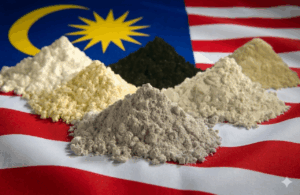
At the center of the dispute is Lynas Rare Earths, the Australian company that operates one of the world’s largest rare earth processing facilities outside China.
The company mines rare earth materials in Western Australia and refines them at its plant in Gebeng, in Malaysia’s Pahang state.
The backlash intensified after a series of new strategic agreements linked Lynas more closely to United States and allied industrial policy.
Recent arrangements involving the Pentagon, Japanese buyers and Western governments are designed to reduce dependence on Chinese rare earth supplies, which are critical for electric vehicles, advanced electronics, wind turbines, robotics and military systems.
What is confirmed is that the United States has expanded support for non-Chinese rare earth supply chains following repeated export restrictions and trade tensions involving Beijing.
Lynas has secured long-term supply arrangements tied to American and Japanese strategic demand, including agreements involving guaranteed price floors for key rare earth products.
Those deals significantly raised the geopolitical profile of Lynas’ Malaysian refinery because the plant processes material that ultimately feeds allied manufacturing and defense supply chains.
That development triggered criticism from Malaysian civil society groups, environmental activists and some opposition voices who argue the country risks becoming both a processing hub for radioactive industrial waste and a downstream contributor to foreign military systems.
Several Malaysian advocacy organizations have demanded greater government scrutiny of Lynas’ role in United States-linked critical mineral arrangements.
Critics argue Malaysia should not bear the environmental burden of refining operations tied to strategic competition between Washington and Beijing.
The concern is not theoretical.
Rare earth processing produces radioactive waste residues containing naturally occurring thorium and uranium.
Lynas has faced years of political opposition and public protests in Malaysia over fears involving contamination, long-term waste storage and public health risks.
The issue carries historical weight in Malaysia because of the country’s earlier experience with radioactive contamination linked to a rare earth refinery in Perak during the nineteen eighties.
That legacy still shapes public distrust toward the industry.
Malaysia’s government nevertheless renewed Lynas’ operating licence for another ten years earlier this year, confirming the country’s decision to remain part of the global rare earth supply chain despite domestic opposition.
The renewed licence came with stricter conditions.
Lynas must stop generating new radioactive waste by two thousand thirty-one and neutralize existing radioactive residues through approved treatment methods such as thorium extraction.
Malaysian authorities also imposed additional research and development commitments tied to the domestic rare earth sector.
The government’s position reflects a balancing act between industrial strategy and political risk.
Malaysia wants to expand its role in high-value mineral processing and semiconductor-linked industries while avoiding the perception that it is functioning merely as a dumping ground for hazardous byproducts from foreign mining operations.
Officials have repeatedly stated that strategic cooperation with the United States on critical minerals does not exempt Lynas or other companies from Malaysian environmental and technical regulations.
The backlash also reflects broader geopolitical discomfort across Southeast Asia as competition between the United States and China increasingly extends into industrial supply chains, technology infrastructure and strategic resources.
Rare earths occupy a uniquely sensitive position in that competition because China still dominates global refining capacity and controls much of the downstream magnet manufacturing market.
Western governments now view alternative supply chains as a national security priority.
Australia has become central to that effort because of its large mineral reserves and its expanding defense and industrial alignment with Washington.
Lynas, as the largest non-Chinese rare earth producer, sits directly at the intersection of those priorities.
For Malaysia, however, the arrangement creates political complications.
The country benefits economically from foreign investment, industrial activity and participation in advanced manufacturing supply chains.
At the same time, segments of the public remain deeply skeptical about environmental oversight, radioactive waste management and the strategic implications of closer integration into Western defense-linked industries.
The dispute also exposes a structural contradiction inside the global clean energy transition.
Governments want secure non-Chinese supplies of strategic minerals for electric vehicles, renewable energy systems and advanced technologies, but few countries want the environmental costs associated with large-scale mineral processing.
That tension has allowed countries with looser industrial acceptance thresholds or strong investment incentives to become processing hubs even as public resistance grows.
Lynas argues its operations meet international safety standards and remain heavily monitored by Malaysian regulators and international experts.
The company also maintains that non-Chinese rare earth supply chains are essential for industrial resilience and global manufacturing security.
The broader strategic momentum behind the Australia-United States rare earth partnership is unlikely to slow.
Washington, Canberra and Tokyo are all accelerating efforts to build parallel critical mineral systems insulated from Chinese supply pressure.
Malaysia’s decision to renew Lynas’ licence despite years of controversy shows that economic and strategic pressures are now outweighing demands for a complete shutdown.
The political debate has therefore shifted from whether the industry should exist to how much environmental risk and geopolitical exposure Malaysia is willing to accept as the global rare earth contest intensifies.
At the center of the dispute is Lynas Rare Earths, the Australian company that operates one of the world’s largest rare earth processing facilities outside China.
The company mines rare earth materials in Western Australia and refines them at its plant in Gebeng, in Malaysia’s Pahang state.
The backlash intensified after a series of new strategic agreements linked Lynas more closely to United States and allied industrial policy.
Recent arrangements involving the Pentagon, Japanese buyers and Western governments are designed to reduce dependence on Chinese rare earth supplies, which are critical for electric vehicles, advanced electronics, wind turbines, robotics and military systems.
What is confirmed is that the United States has expanded support for non-Chinese rare earth supply chains following repeated export restrictions and trade tensions involving Beijing.
Lynas has secured long-term supply arrangements tied to American and Japanese strategic demand, including agreements involving guaranteed price floors for key rare earth products.
Those deals significantly raised the geopolitical profile of Lynas’ Malaysian refinery because the plant processes material that ultimately feeds allied manufacturing and defense supply chains.
That development triggered criticism from Malaysian civil society groups, environmental activists and some opposition voices who argue the country risks becoming both a processing hub for radioactive industrial waste and a downstream contributor to foreign military systems.
Several Malaysian advocacy organizations have demanded greater government scrutiny of Lynas’ role in United States-linked critical mineral arrangements.
Critics argue Malaysia should not bear the environmental burden of refining operations tied to strategic competition between Washington and Beijing.
The concern is not theoretical.
Rare earth processing produces radioactive waste residues containing naturally occurring thorium and uranium.
Lynas has faced years of political opposition and public protests in Malaysia over fears involving contamination, long-term waste storage and public health risks.
The issue carries historical weight in Malaysia because of the country’s earlier experience with radioactive contamination linked to a rare earth refinery in Perak during the nineteen eighties.
That legacy still shapes public distrust toward the industry.
Malaysia’s government nevertheless renewed Lynas’ operating licence for another ten years earlier this year, confirming the country’s decision to remain part of the global rare earth supply chain despite domestic opposition.
The renewed licence came with stricter conditions.
Lynas must stop generating new radioactive waste by two thousand thirty-one and neutralize existing radioactive residues through approved treatment methods such as thorium extraction.
Malaysian authorities also imposed additional research and development commitments tied to the domestic rare earth sector.
The government’s position reflects a balancing act between industrial strategy and political risk.
Malaysia wants to expand its role in high-value mineral processing and semiconductor-linked industries while avoiding the perception that it is functioning merely as a dumping ground for hazardous byproducts from foreign mining operations.
Officials have repeatedly stated that strategic cooperation with the United States on critical minerals does not exempt Lynas or other companies from Malaysian environmental and technical regulations.
The backlash also reflects broader geopolitical discomfort across Southeast Asia as competition between the United States and China increasingly extends into industrial supply chains, technology infrastructure and strategic resources.
Rare earths occupy a uniquely sensitive position in that competition because China still dominates global refining capacity and controls much of the downstream magnet manufacturing market.
Western governments now view alternative supply chains as a national security priority.
Australia has become central to that effort because of its large mineral reserves and its expanding defense and industrial alignment with Washington.
Lynas, as the largest non-Chinese rare earth producer, sits directly at the intersection of those priorities.
For Malaysia, however, the arrangement creates political complications.
The country benefits economically from foreign investment, industrial activity and participation in advanced manufacturing supply chains.
At the same time, segments of the public remain deeply skeptical about environmental oversight, radioactive waste management and the strategic implications of closer integration into Western defense-linked industries.
The dispute also exposes a structural contradiction inside the global clean energy transition.
Governments want secure non-Chinese supplies of strategic minerals for electric vehicles, renewable energy systems and advanced technologies, but few countries want the environmental costs associated with large-scale mineral processing.
That tension has allowed countries with looser industrial acceptance thresholds or strong investment incentives to become processing hubs even as public resistance grows.
Lynas argues its operations meet international safety standards and remain heavily monitored by Malaysian regulators and international experts.
The company also maintains that non-Chinese rare earth supply chains are essential for industrial resilience and global manufacturing security.
The broader strategic momentum behind the Australia-United States rare earth partnership is unlikely to slow.
Washington, Canberra and Tokyo are all accelerating efforts to build parallel critical mineral systems insulated from Chinese supply pressure.
Malaysia’s decision to renew Lynas’ licence despite years of controversy shows that economic and strategic pressures are now outweighing demands for a complete shutdown.
The political debate has therefore shifted from whether the industry should exist to how much environmental risk and geopolitical exposure Malaysia is willing to accept as the global rare earth contest intensifies.
AI Disclaimer: An advanced artificial intelligence (AI) system generated the content of this page on its own. This innovative technology conducts extensive research from a variety of reliable sources, performs rigorous fact-checking and verification, cleans up and balances biased or manipulated content, and presents a minimal factual summary that is just enough yet essential for you to function as an informed and educated citizen. Please keep in mind, however, that this system is an evolving technology, and as a result, the article may contain accidental inaccuracies or errors. We urge you to help us improve our site by reporting any inaccuracies you find using the "Contact Us" link at the bottom of this page. Your helpful feedback helps us improve our system and deliver more precise content. When you find an article of interest here, please look for the full and extensive coverage of this topic in traditional news sources, as they are written by professional journalists that we try to support, not replace. We appreciate your understanding and assistance.